Tag: endurance

  • Tú Puedes — The Refining Fire of Grief

    Everything felt blurred… but the message was clear.
    Tú puedes.

    Excerpt
    I thought I would be used to grief by now. I was wrong. But in the middle of it… a quiet message remained: Tú puedes.


    Intro
    March 23, 2026.

    While at work, I received a message from my younger daughter. She had gone into early contractions at 4AM and lost her baby boy at 19 weeks. His name would have been Solis Xavier.

    It felt like I was struck by lightning.

    In that moment, another memory returned—November 20, 2021. My firstborn daughter went through a similar loss. Her baby boy, Kale’l, was just days away from being born.

    I suddenly felt helpless. I stayed in my office for about an hour, trying to process everything, while our President and HR sat with me.

    The grief didn’t feel new.

    But it didn’t feel any lighter either.


    Notes from Life & Loss
    I thought that after everything I had already experienced—my younger brother, my father, my grandson, my sister-in-law—that I would have learned how to handle grief better.

    I thought maybe I would be used to it by now.

    I’ve heard people say, “life goes on.”

    But I realized something.

    I am not wired that way.

    Each loss feels just as deep. Just as real.

    Even when a coworker passed away earlier this year, I was affected.

    Grief doesn’t lessen because it repeats.

    It remains… because love remains.


    Refining Fire (Ensign 2013 Connection)
    In The Refining Fire of Grief, it teaches that grief is not something we outgrow—it is something that refines us.

    Grief is not a sign of weakness.

    It is the evidence that we love.

    And maybe the reason it still hurts…
    is because I still do.


    Turning Point
    The next day, I tried to fight it the only way I knew how.

    I went to the basement and pushed through six rounds—slipping, ducking, rolling, throwing nonstop combinations. It was the most I had ever done.

    But it didn’t help.

    So I went to the temple.

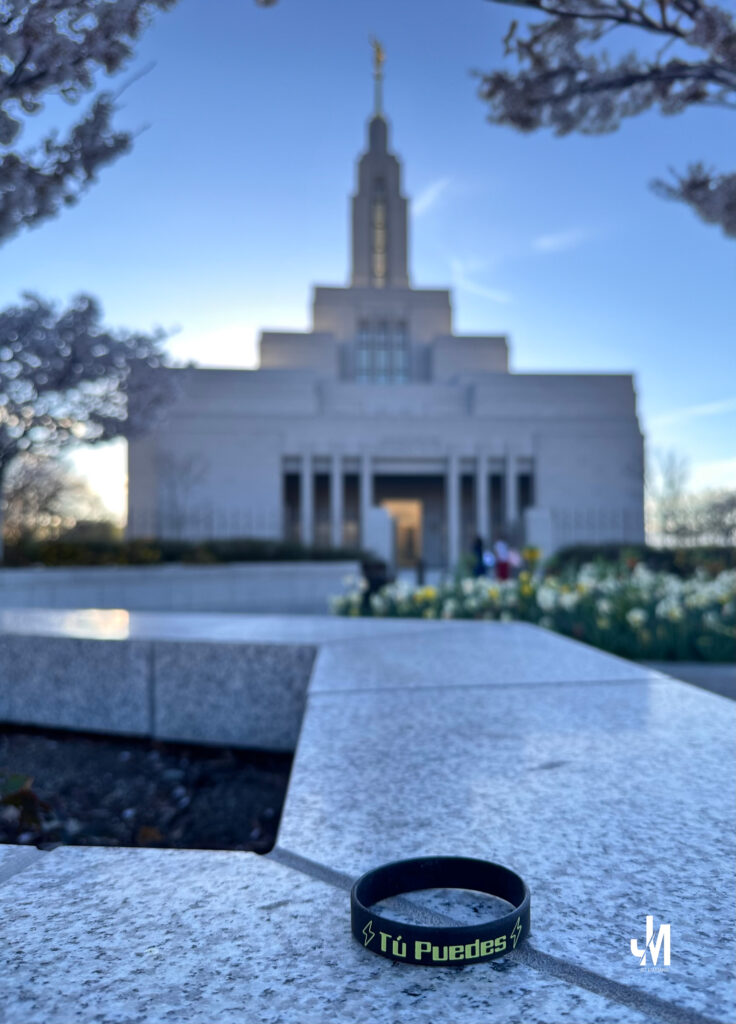
    Before I entered, I noticed something in my car—a simple band with yellow letters:

    “Tú puedes.”

    I didn’t know what it meant at the time.

    But I brought it with me.

    I placed it in front of the temple.

    Everything else felt blurred…
    but that message became clear.

    You can.


    Perspective (Direct Impressions)
    “You can.”
    “You are still standing.”
    “My grace is sufficient.”

    Not that the pain was gone…
    but that I had strength for this moment.


    The road didn’t stop for my grief. It kept going.
    And in the distance… the temple reminded me where to look.


    On the way, I realized something.

    The road doesn’t stop for grief.

    It keeps going.

    And in the distance… the temple remains.

    Not always close.
    But always there.


    Practice (today, not someday)
    Go anyway.
    Pray anyway.
    Show up anyway.

    Even when your heart is heavy.

    Because that is where strength is given.


    Final Reflection
    I thought I would be used to this by now.

    I’m not.

    And maybe that’s not something to fix.

    Maybe that’s something to understand.

    If this is the refining fire…
    then I will endure it.

    Because love is still worth it.

    And in the middle of it all…

    Tú puedes.

    Kale’l and Xavier.
    Not lost. Not gone.
    Just beyond my reach… for now.

    Pocket I’m Keeping
    Tú puedes.


    What I Hear Now (direct quotes)
    “My grace is sufficient for thee.”
    “I will not leave you comfortless.”
    “Be still, and know that I am God.”


    © 2012–2026 Jet Mariano. All rights reserved.
    For usage terms, please see the Legal Disclaimer.

  • MIT-8 “Trial of your Faith”

    Some promises stretch longer than we expect, but the One who formed the arch is the same One who sustains it.

    Excerpt
    Between God’s promise and its fulfillment lives the trial of our faith, a sacred space known only to Him.

    Intro
    I realized something today. The distance between what God promises and when it actually happens is not empty space. It is what we call the trial of our faith. Heaven measures that gap, not us..

    Notes from the author
    God tested Abraham’s faith.. He waited decades for the son God had promised to him and Sarah. God promised descendants as countless as the stars. Abraham believed. That belief strengthened his relationship with God. (Genesis 15:6). Later, God commanded Abraham to offer his long awaited son.
    Abraham obeyed.
    God honored him.

    :

    “By myself have I sworn, saith the Lord, for because thou hast done this thing, and hast not withheld thy son, thine only son:”
    Genesis 22:16-18

    Why did Abraham have to wait so long? God certainly had the power to bless him sooner. Yet the waiting served divine purposes. It proved his faith. It purified his faith.

    Perspective
    Moroni defined faith as “things which are hoped for and not seen.”

    Faith operates in what we cannot yet measure. It requires trust before evidence appears.

    He warned us not to dispute simply because we do not see.

    Faith does not disappear when blessings come. It transforms.

    Until fulfillment arrives, faith carries the weight of the promise.

    That is why blessings often follow “after the trial of [our] faith” (Ether 12:6).

    Jesus declared, “I will try the faith of my people” (3 Nephi 26:11; see also Mosiah 23:21). James explained the purpose: “The trying of your faith worketh patience” (James 1:3). Delayed blessings are not denial. They are development.

    Practice (today, not someday)
    Today I will trust God in the waiting. I will not measure His promises by my timeline. Like Abraham, I will believe even when fulfillment feels distant.

    Final Reflection
    The gap is not punishment. It is preparation. God shapes the soul in the silence between promise and provision.

    Pocket I’m Keeping
    I stand on sacred ground between promise and fulfillment.

    What I Hear Now
    “I will try the faith of my people.”
    “The trying of your faith worketh patience.”

    Scripture
    Ether 12:6


    © 2012–2026 Jet Mariano. All rights reserved.
    For usage terms, please see the Legal Disclaimer.

  • Marked in Time — First-Class Challenges

    In those airport chairs between flights, life felt like motion without pause.
    Four states, four plants, frame relay lines, T1 circuits, Exchange servers, and long hotel nights before Y2K.
    Most weeks were seven days long, and some days stretched 18 hours.
    Somewhere between Tucson and LAX, U2 played through my headphones — “With or Without You” and “I Still Haven’t Found What I’m Looking For.”
    I did not know it then, but God was stretching me for something bigger.

    Excerpt

    “We cannot expect life to be a first-class experience unless we face some first-class challenges.”

    “Some suffering comes because we believe and because God loves us.”

    — Elder Neal A. Maxwell

    Intro

    Some challenges come from mistakes. Some come simply because mortality is hard. But some challenges come because God trusts us enough to refine us.

    Elder Neal A. Maxwell taught that suffering is not random. It is purposeful. It is measured. It is sometimes the very evidence that God is shaping us for something eternal.

    Not all pain means something is wrong. Sometimes pain means something sacred is happening.


    Notes from Elder Maxwell

    Elder Maxwell described three forms of suffering:

    1. Suffering from sin and poor choices — the consequences of mistakes that teach humility and accountability.
    2. Suffering as part of mortal life — illness, aging, loss, and the ordinary weight of living in a fallen world.
    3. The highest form of suffering — suffering that comes because we believe and because God loves us. This suffering stretches the soul and prepares us for eternal capacity.

    He taught that discipleship does not remove difficulty — it often deepens refinement.

    Life’s greatest tests may include:

    • affluence
    • loss of health
    • loss of loved ones
    • loneliness
    • responsibility
    • waiting on the Lord

    These are not punishments. They are tests of trust.


    Perspective

    In infrastructure engineering, systems are pushed under controlled stress before deployment. Not to break them — but to prove they can endure.

    Spiritual life works the same way.

    God does not stretch the soul to destroy it.
    He stretches it so it can carry more light, more responsibility, and more compassion.

    The challenge is not merely surviving hardship.

    The challenge is not shrinking during hardship.


    Practice (Today, Not Someday)

    1. Name the challenge honestly
      Instead of asking “Why me?” ask “What is this preparing me for?”
    2. Trust the timing of understanding
      Some experiences only make sense after endurance.
    3. Hold your ground spiritually
      Faithfulness during confusion is itself a form of worship.

    Final Reflection

    Elder Maxwell closed with a reminder about accountability.

    He said that while he was accountable for what he taught, we are accountable for what we have heard.

    Challenges are not interruptions to discipleship.
    They are the proving ground of discipleship.

    We cannot always control suffering.
    But we can decide whether we will shrink or stand.

    And sometimes, standing is victory enough.


    Pocket I’m Keeping

    “First-class challenges prepare us for first-class discipleship.”


    What I Hear Now

    “The highest form of suffering is not punishment — it is preparation.”


    Link to the talk

    Guidelines for Righteous Living — Elder Neal A. Maxwell

    © 2012–2026 Jet Mariano. All rights reserved.
    For usage terms, please see the Legal Disclaimer.
  • MIT8 – A New Beginning Every Day

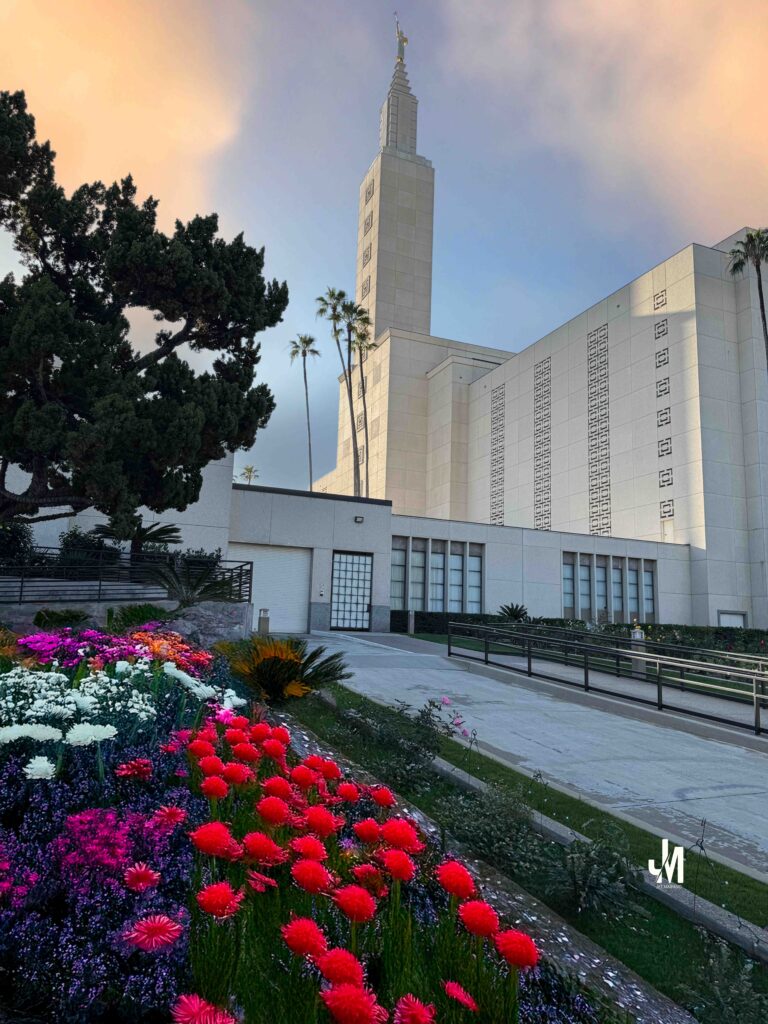
    A quiet morning at the Los Angeles Temple, where light meets stillness and reminds me that every day with Jesus Christ is a new beginning.

    EXCERPT

    A new year does not begin because the calendar changes.
    It begins because Jesus Christ makes change possible, again and again.


    INTRO

    January always feels like a threshold, but this year feels different. I am not stepping into 2026 only with goals, but with a deeper awareness of how much I still need the grace of new beginnings.

    On a personal level, I began something in late December that has already humbled me. I enrolled in boxing training and quickly learned the truth of a saying I once heard, “Everyone can fight, but not everyone can box.” Since December 23, I have trained six days a week, three hours a day, discovering that boxing is not about force, but fundamentals. Footwork. Head movement. Timing. Discipline. Skills, technique, and speed matter more than power.

    Watching the greats only deepened that lesson. Manny Pacquiao, an eight-division world champion, did not become legendary by relying on strength alone, but by mastering movement, adaptability, and relentless discipline. His career is proof that greatness is built on fundamentals refined over time.

    The same principle echoes in Bruce Lee’s timeless words, “Be water, my friend.” To be adaptable. Formless. Fluid. To empty the mind and adjust to whatever shape life requires. Water flows around obstacles, yet can also crash through them when needed. That image has stayed with me in training. Every session feels like learning how to move with life rather than against it.

    Professionally, 2026 brings its own kind of discipline. Major work lies ahead. Domain transitions. Intune migrations. Expanding responsibilities in Azure that will demand precision, patience, and steady endurance. These are not quick victories. They require humility, adaptability, and the willingness to begin again when plans change.

    As I reflected on these personal and professional goals, Elder Patrick Kearon’s message from General Conference settled deeply in my heart. His words felt like the spiritual parallel to everything I was learning in the gym and at work.

    “All of us can have a new beginning through, and because of, Jesus Christ. Even you.”

    In that moment, I saw the connection clearly.
    Boxing teaches me to move with discipline.
    Work teaches me to adapt with patience.
    But the Savior teaches me something far greater.

    No matter how many times I stumble, hesitate, or feel behind, through Jesus Christ I am never out of beginnings. This year is not just about improvement. It is about remembering that in every arena of life, spiritual and temporal, I am allowed to start again.


    NOTES FROM ELDER PATRICK KEARON

    Elder Kearon reminded us that when Jesus walked among the people, He did more than perform miracles. He restored hope. He reached those society avoided. He touched the diseased and comforted the weary. He taught liberating truth and called sinners to repentance.

    To the blind, the lame, the grieving, the ashamed, and the broken in spirit, what the Savior offered was not simply relief from pain. He offered a new beginning.

    Not once.
    Not rarely.
    But as often as needed.

    Elder Kearon taught that baptism is not our only chance to start again. Through weekly sacrament and daily repentance, we are invited into continual renewal. This is not a church of one-time forgiveness. This is the Church of new beginnings.


    PERSPECTIVE (DIRECT QUOTES)

    “All of us can have a new beginning through, and because of, Jesus Christ. Even you.”

    “With baptism by water and the Spirit, we are born again and can walk in newness of life.”

    “These new beginnings can happen every day.”

    “Jesus gives us as many new beginnings as we need.”


    PRACTICE (TODAY, NOT SOMEDAY)

    Today’s practice is choosing renewal over regret.

    It is stepping into the gym again, even when yesterday felt like failure.
    It is opening the laptop again, even when yesterday felt overwhelming.
    It is kneeling in prayer again, even when yesterday felt heavy.

    Faith is not demanding perfect conditions.
    Faith is trusting the Savior who makes imperfect beginnings holy.

    Repentance is not fear.
    It is hope in motion.


    FINAL REFLECTION

    The Savior never gave up on His mission, even when the cost was suffering beyond measure. He endured so that I would never run out of beginnings.

    Not just at baptism.
    Not just at major turning points.
    But every ordinary day when I choose to stand up again.

    That is what faithful endurance looks like.
    Not perfection.
    But persistence with God.


    POCKET I’M KEEPING

    I do not have to wait for a perfect moment to change.
    I only need to choose to begin again, today.


    WHAT I HEAR NOW

    “All of us can have a new beginning through, and because of, Jesus Christ. Even you.”

    “This is the Church of new beginnings.”

    “Jesus gives us as many new beginnings as we need.”


    Link To The Talk

    https://www.churchofjesuschrist.org/study/general-conference/2025/10/31kearon?lang=eng


    © 2012–2025 Jet Mariano. All rights reserved.
    For usage terms, please see the Legal Disclaimer.
  • MIT8 – “Don’t Give Up, Boy”

    By Elder Jeffrey R. Holland, Oct 1999

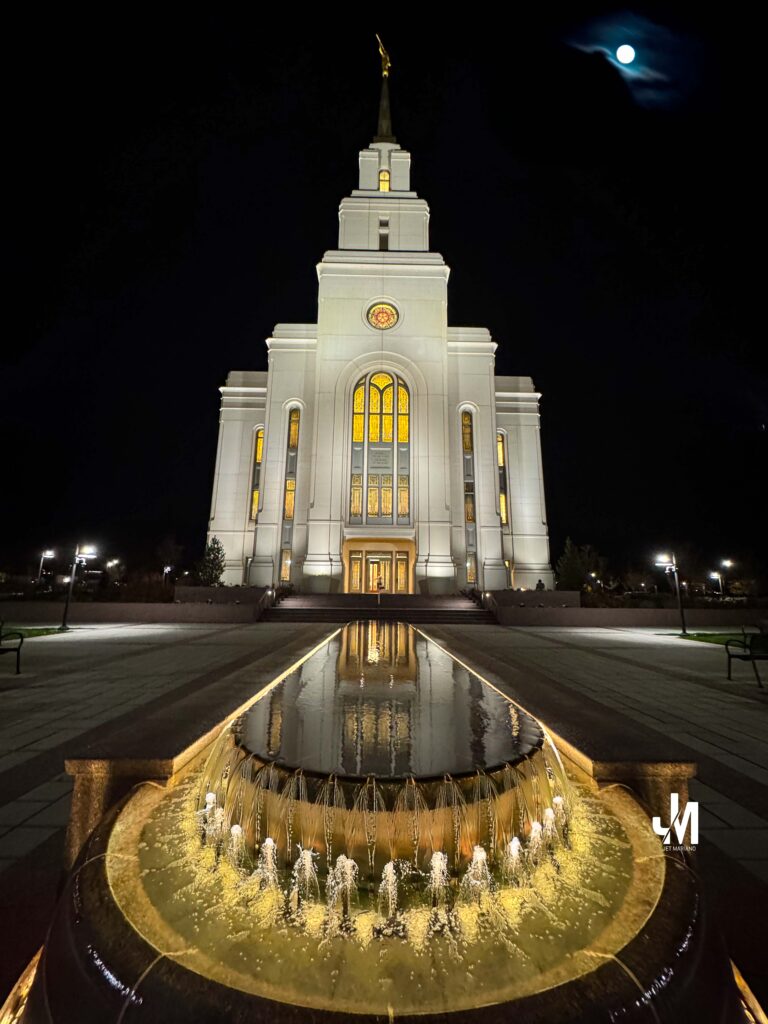
    Layton Temple beneath the final supermoon of 2025 — a quiet witness that light continues to rise, even after long nights.

    Excerpt

    “Don’t give up, boy. Don’t you quit. You keep walking. You keep trying. There is help and happiness ahead. Trust God and believe in good things to come.”


    Intro

    For the last four days, I have listened repeatedly to Elder Jeffrey R. Holland’s talk An High Priest of Good Things to Come. On December 4, 2025, standing at the Layton Temple beneath the final supermoon of the year, those words settled deeply into my heart.

    This was not a message of quick relief or easy answers. It was a message spoken to the weary, the long-suffering, and those who keep walking even when the road feels endless.


    Notes from Elder Jeffrey R. Holland

    Elder Holland shared a tender, personal account from his life — a moment when he imagined speaking to his younger self during a season of discouragement and uncertainty.

    Rather than rewriting the past, he offered reassurance. Not denial of hardship, but perspective gained through time, faith, and endurance.

    His message was simple and powerful: God was already at work. Help was already coming. And quitting was never the answer.


    Perspective (Direct Quotes)

    “In that imaginary instant, I couldn’t help calling out to him: ‘Don’t give up, boy. Don’t you quit. You keep walking. You keep trying.’”

    “There is help and happiness ahead — a lot of it — 30 years of it now, and still counting.”

    “You keep your chin up. It will be all right in the end.”

    “Trust God and believe in good things to come.”


    Practice (Today, Not Someday)

    Today, the practice is not dramatic change. It is refusal to quit.

    It is continuing to walk when answers are delayed. It is continuing to believe when outcomes are unseen. It is choosing faith not because the road is easy, but because God is faithful.

    Today, I keep walking.


    Final Reflection

    Under the rising supermoon at the Layton Temple, I felt something quiet but firm: reassurance does not erase trials, but it strengthens the traveler.

    God does not rush us through our struggles. He walks with us through them.


    Pocket I’m Keeping

    “Don’t give up. Don’t quit. Keep walking. Trust God. Good things are coming.”


    Link to the Talk

    An High Priest of Good Things to Come – Elder Jeffrey R. Holland https://www.churchofjesuschrist.org/study/general-conference/1999/10/an-high-priest-of-good-things-to-come?lang=eng

    © 2012–2025 Jet Mariano. All rights reserved.
    For usage terms, please see the Legal Disclaimer.
  • Marked in Time — “Consecrate Thy Performance” (Neal A. Maxwell)

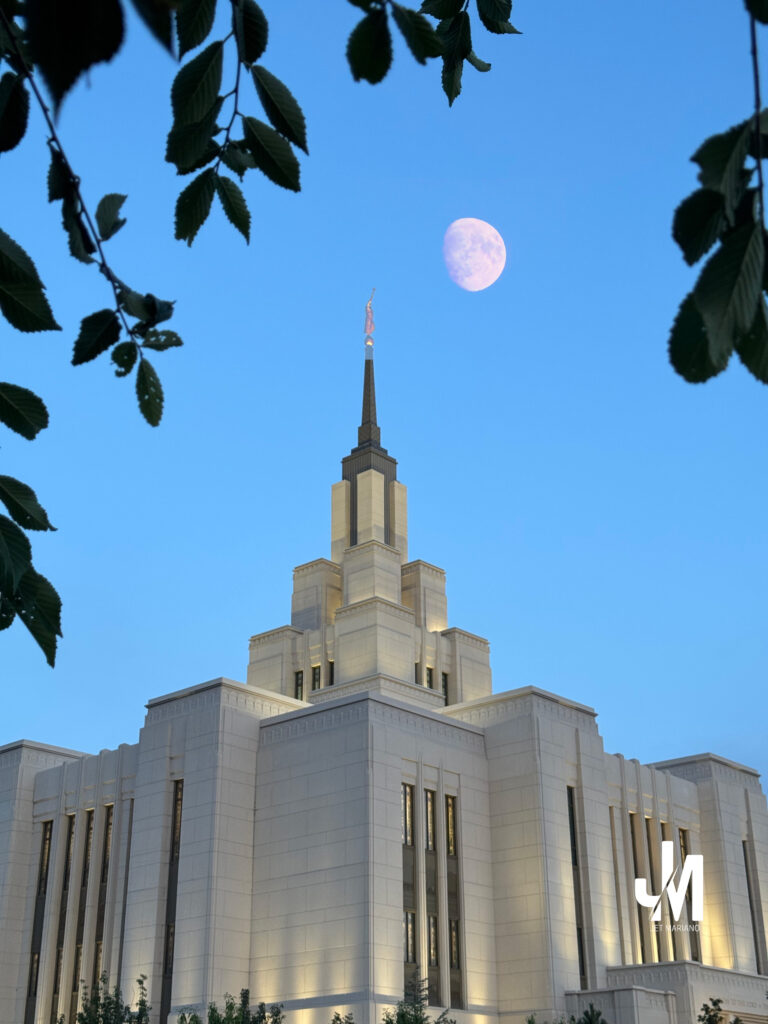
    “Heart, soul, and mind.” When we offer all, He consecrates our performanc. Saratoga Springs Temple · waxing gibbous moon

    Excerpt
    Consecration isn’t giving things as much as yielding self. When heart, soul, and mind align with God, He consecrates our efforts for lasting good.


    Intro
    Elder Neal A. Maxwell teaches that ultimate consecration is our will swallowed up in the Father’s. Step by step, His grace is sufficient, and our performances are consecrated “for the lasting welfare of [our] souls.”


    Straight line (what he’s saying)
    • Consecration = yielding will to the Father—one stepping-stone at a time.
    • We often “keep back part” (skills, status, habits); partial surrender still diverts.
    • Worth is fixed; assignments change—He must increase, we decrease.
    • Good things can crowd out the first commandment; beware lesser gods.
    • Acknowledge His hand; avoid the “my power, my hand” trap.
    • Discipleship polishes us (rough stone rolling): contact, friction, meekness.
    • Surrendering the mind is victory; God teaches higher ways.
    • Jesus is the pattern—never lost focus; Gethsemane above all other miracles.


    Final reflection
    My hardest “part” isn’t money—it’s control. God wants a consecrated person more than a perfect portfolio. Yielded work beats impressive work.


    Pocket I’m keeping
    • Ask daily: “Lord, is it this?”—take the next small stone.
    • Worship before work; name His hand first.
    • Hold assignments lightly; hold Jesus tightly.
    • Trade applause for alignment.
    • Measure by love, patience, meekness.


    What I hear now
    I’ll hand Him today’s schedule, camera, and keyboard—and let Him aim them. Consecration is hourly trust; even detours can be consecrated.


    Link to the talk
    “Consecrate Thy Performance” — Neal A. Maxwell.

    © 2012–2025 Jet Mariano. All rights reserved.
    For usage terms, please see the Legal Disclaimer.
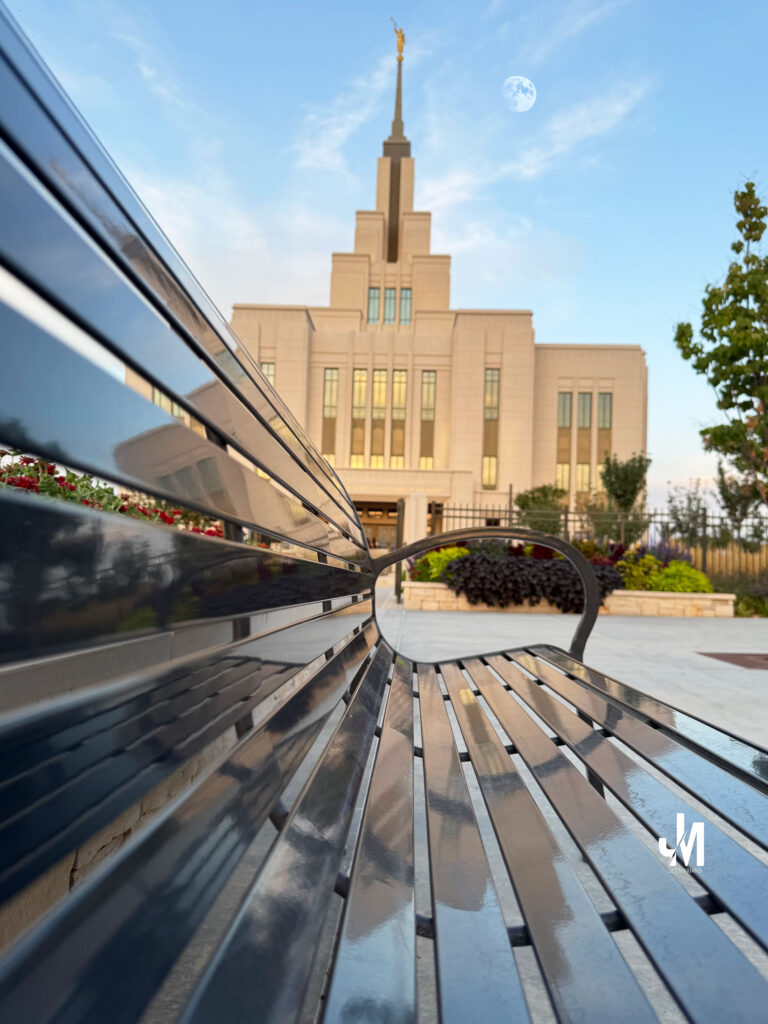
  • Marked in Time — “If Thou Endure Well” (Neal A. Maxwell)

    Saratoga Springs Utah Temple with a rising waxing gibbous moon.

    Excerpt
    None of us is immune from trial. Elder Neal A. Maxwell teaches that if we endure well, today’s struggles are shaped into tomorrow’s blessings. Here’s my mark-in-time takeaway and how I’m applying it.


    Intro
    I listened again to Elder Neal A. Maxwell’s devotional “If Thou Endure Well.” The sentence that stayed with me: None of us can or will be immune from the trials of life. However, if we learn to endure our struggles well, they will be turned into blessings in eternity. That’s both bracing and kind—God doesn’t waste pain when we place it in His hands.


    Straight line (what he’s saying)
    • Mortality guarantees opposition; surprise is optional.
    • Enduring well ≠ grim hanging-on; it’s faithful submission, patience, and continuing to choose light.
    • Timing is part of God’s tutoring—deliverance sometimes tarries so discipleship can deepen.
    • Gratitude and meekness change how trials shape us. They don’t shorten the storm, but they change the sailor.
    • The Lord consecrates affliction to our gain when we refuse cynicism and keep covenant routines (scripture, prayer, sacrament, service).


    Final reflection
    Enduring well is a decision repeated—quietly—over and over. It’s choosing not to narrate my trial as abandonment, but as apprenticeship. It’s trusting that God is doing more with my life than I can see from the shoreline.


    Pocket I’m keeping
    • Expect opposition; practice patience on purpose.
    • Pair prayers with small, durable acts (keep the next covenant, serve the next person, take the next right step).
    • Measure “progress” by faithfulness, not by ease.


    What I hear now
    Tonight’s images—reflections, a quiet bench, a waxing gibbous over the spire—feel like a lesson in waiting. I can’t rush the moon to its mark, but I can keep framing, steady my hands, and choose light again. If I endure well, God will finish the alignment.


    Link to the talk
    Full devotional: “If Thou Endure Well” — Neal A. Maxwell (BYU Speeches).

    © 2012–2025 Jet Mariano. All rights reserved.
    For usage terms, please see the Legal Disclaimer.
  • Today or Tomorrow, Now or Then, Endure to the End

    I become what I will — not by gift, not by chance,
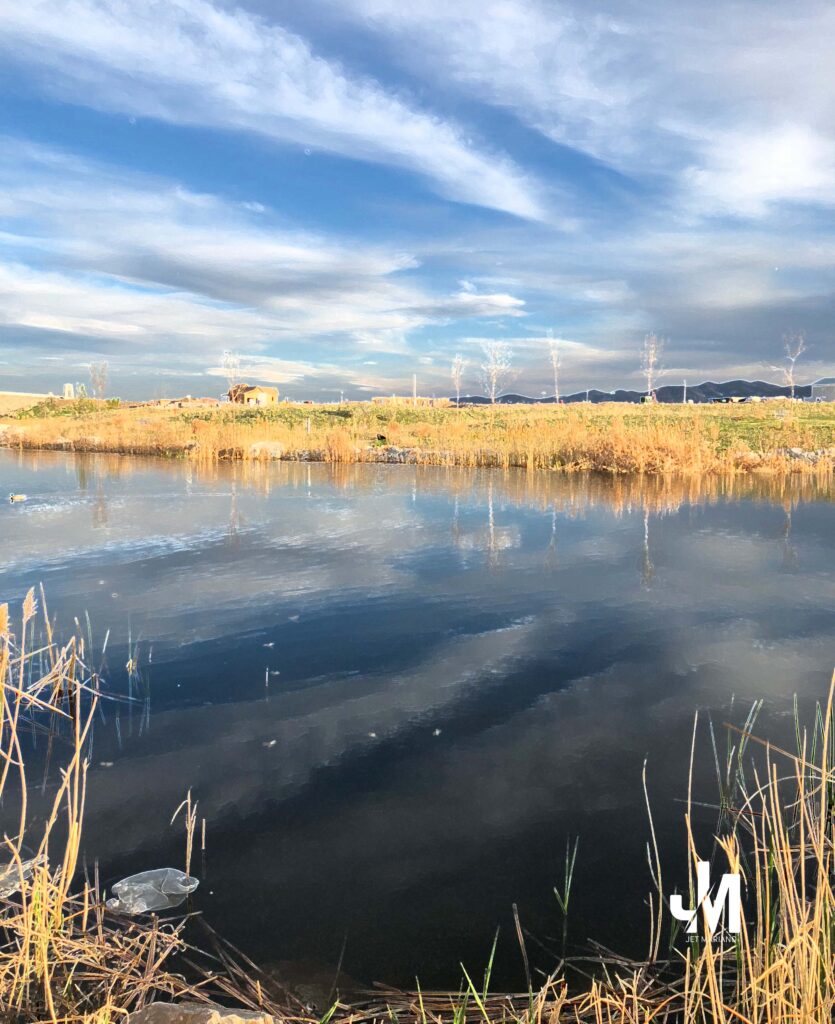
    but like this still house on the prairie, rooted by water, framed by sky —
    I endure. I reflect. Today or tomorrow, now or then.

    Intro Paragraph (Why this poem?)

    There are things I rarely speak, not because they don’t matter — but because they do. Some stories are too sacred to explain plainly. I’ve carried burdens for decades — for family, for faith, and sometimes for people who never knew. This poem is not a confession. It’s a quiet map of where I’ve been and what it cost me to endure. If you’ve ever sacrificed in silence, this is for you.

    Today or Tomorrow, Now or Then, Endure to the End

    by Jet Mariano

    I become what I will—
    not by gift,
    not by chance.

    They said it was for the dream.
    But I never dreamed of this.

    Not the hauling at midnight,
    the cold linoleum behind the receiving dock

    but never my name.

    I didn’t come with love in hand—
    I came with a debt to pay.
    To rescue a soul,
    and carry a family
    across a sea of impossibilities.

    A job at USC
    became a cure for my father,
    a lifeline for my family,
    a bridge for my siblings
    to find homes I would never live in.

    And still, I smiled.

    Though phone jobs stripped my voice,
    while I studied with red eyes and calloused faith,
    and slept beside hopelessness

    They think I’m quiet now.
    They don’t know I’ve just spoken enough pain
    for a hundred lifetimes.

    I write it in playlists
    that no one plays but me.
    I express it in photographs I create—
    where silence can finally breathe.

    I date it in the margins of scripture
    where no one else will read.

    Let them think I’ve always been composed.
    Let them think the IT job made me.
    I know what made me:

    A God who watched me
    hauling furniture in Burbank
    and still whispered,
    “You are mine.”

    Today or tomorrow,
    now or then,
    endure to the end.

    © 2012–2025 Jet Mariano. All rights reserved.
    For usage terms, please see the Legal Disclaimer.

error: Content is protected !!