Tag: faith

  •  MIT-8: “The Brass Serpent”

    Not everything that heals you is complicated. Sometimes, you just have to look.

    Excerpt
    Sometimes the hardest problems in life are answered with the simplest solutions. The challenge is not the solution—it is whether we are willing to accept it.


    Intro
    As I reflected this past month, I realized how often I complicate things that are meant to be simple. In the scriptures, the story of the brass serpent is one of the clearest reminders that healing, both physical and spiritual, often comes through simple acts of faith.


    Notes from the Scriptures
    As the children of Israel journeyed near the land of Edom, they complained along the way. Because of their murmuring, “the Lord sent fiery serpents among the people, and they bit the people; and much people of Israel died” (Numbers 21:6).

    Moses sought the Lord on behalf of the people, and the answer he received was unexpected. “Make thee a fiery serpent,” the Lord commanded, “and set it upon a pole: and it shall come to pass, that every one that is bitten, when he looketh upon it, shall live.” Moses obeyed, “and it came to pass, that if a serpent had bitten any man, when he beheld the serpent of brass, he lived” (Numbers 21:8-9).

    At first glance, the solution seems straightforward. Yet Nephi later revealed an important truth: “The labor which they had to perform was to look; and because of the simpleness of the way, or the easiness of it, there were many who perished” (1 Nephi 17:41). The difficulty was not in the act itself, but in accepting something so simple.

    Alma later taught that the brass serpent was a symbol of the Son of God. However, “few understood the meaning of those things, and this because of the hardness of their hearts.” Many “would not look,” not because they couldn’t, but because “they did not believe that it would heal them” (Alma 33:20).

    This pattern mirrors the mindset of Laman and Lemuel. When asked if they had prayed, they replied, “We have not; for the Lord maketh no such thing known unto us” (1 Nephi 15:9). Doubt prevented action.

    Alma then invited the people with a simple but powerful question: “If ye could be healed by merely casting about your eyes that ye might be healed, would ye not behold quickly?” He urged them to “cast about your eyes and begin to believe in the Son of God” (Alma 33:21-22).

    He later reinforced the same principle: “The way is prepared, and if we will look we may live forever” (Alma 37:46).

    Nephi, generations later, made the connection even clearer: “As Moses lifted up the brazen serpent in the wilderness, even so shall he be lifted up who should come… even so as many as should look upon the Son of God with faith… might live, even unto that life which is eternal” (Helaman 8:14-15).

    The Savior Himself confirmed this truth: “And as Moses lifted up the serpent in the wilderness, even so must the Son of man be lifted up: that whosoever believeth in him should not perish, but have eternal life” (John 3:14-15).


    Perspective (direct quotes)
    “The labor which they had to perform was to look.”
    “And because of the simpleness of the way… there were many who perished.”
    “They did not believe that it would heal them.”
    “Cast about your eyes and begin to believe.”


    Practice (today, not someday)
    Today, I will not overcomplicate what God has made simple.
    I will act, even when I do not fully understand.
    I will choose faith over doubt, even when the solution seems too easy.
    I will look up—toward Christ—rather than around for alternatives.


    Final Reflection
    The brass serpent reminds me that the issue is rarely the solution. The issue is whether I am willing to trust it. Healing is available, but it requires humility. It requires action. And sometimes, it requires doing something so simple that pride resists it.


    Pocket I’m Keeping
    “Don’t ignore simple solutions.”


    What I Hear Now (direct quotes)
    “If ye could be healed… would ye not behold quickly?”
    “The way is prepared, and if we will look we may live forever.”


    Link to the talk/scriptures
    Numbers 21:6–9
    1 Nephi 17:41
    Alma 33:20–22
    Alma 37:46
    Helaman 8:14–15
    John 3:14–15


    © 2012–2026 Jet Mariano. All rights reserved.
    For usage terms, please see the Legal Disclaimer.

  • MIT8 – Once in a Blue Moon: Don’t Ever Let Them Win

    No matter how busy I was preparing for the IT cutover, I still made time for photography. This is one of my anchors. A moment to pause, to see light, and to remind myself to keep going.

    Excerpt

    Once in a blue moon, beneath quiet light,
    I learned not to yield, but to stand and to fight.


    Intro

    There are moments in life that don’t come often. Rare, quiet, and almost unnoticed. This was one of them. A full moon above the temple, stillness all around, and a reminder that even in darkness, light remains.

    Even in the middle of pressure, responsibility, and preparation, I found a moment to pause. To look up. To remember who I am.


    Notes from Jesus Christ

    “Be of good cheer; I have overcome the world.”
    —John 16:33


    Perspective

    Once in a blue moon, when the night closes in,
    When breath turns to fire and strength wears thin,
    When the body says stop and the mind wants to quit,
    That’s the moment you rise… you don’t yield, you don’t sit.

    Through rounds that don’t end, through sweat and through pain,
    Through strikes in the dark that you take and sustain,
    Conditioned to stand when there’s nothing within,
    That’s when you remember… don’t ever let them win.

    Slow is the rhythm where discipline begins,
    Each motion refined so no error slips in,
    For habits once formed will return in the fight,
    When pressure is highest and there’s no room for right.

    In battles of code, where the pressure runs dry,
    Where systems break down and solutions won’t comply,
    No space for mistakes when you’re pushed to the edge,
    At the point of no return, there’s no time for a hedge.

    No exit, no shortcut, no easy way through,
    Just grit in your soul and the will to stay true,
    When everything’s tested and all’s wearing thin,
    That’s where you are forged… don’t ever let them win.


    Practice (today, not someday)

    I move with intent, I refine and repeat,
    No rushed empty motion, no careless defeat.

    Slow to build right, so when pressure begins,
    I stand on my training… and that’s how I win.


    Final Reflection

    Once in a blue moon, everything slows down enough for you to see clearly.

    The struggle.
    The weight.
    The silence.

    And yet… you’re still here.

    No applause. No recognition. No visible finish line.

    But you endured.

    So I made a decision:

    Don’t ever let them win.


    Pocket I’m Keeping

    Don’t ever let them win.


    What I Hear Now

    “Fear thou not; for I am with thee: be not dismayed; for I am thy God.”
    —Isaiah 41:10


    © 2012–2026 Jet Mariano. All rights reserved.
    For usage terms, please see the Legal Disclaimer.

  • MIT8 Don’t dream it’s over. The fight is not Done!

    Salt Lake Temple at sunset. Shot at 50mm to catch the sun breaking through—lighting the place where covenants begin and where light reminds me to endure.

    Excerpt

    Don’t dream it’s over.
    The fight is not done.


    Intro

    Easter came quietly this year. No crowd, no noise—just stillness and reflection. As I listened to General Conference, one message stayed with me: love—not just when it’s easy, but especially when it’s hard.


    Notes from President Dallin H. Oaks

    “Today we might say that we are commanded to love our adversaries. All mortals are beloved children of God.”

    “As followers of Christ, let us follow Him by forgoing contention and by using the language and methods of peacemakers.”


    Perspective

    “The worth of souls is great in the sight of God.”
    —Doctrine and Covenants 18:10

    “Blessed are the peacemakers: for they shall be called the children of God.”
    —Matthew 5:9


    Practice (today, not someday)

    Today I choose to love without contention.
    To stand firm without becoming harsh.
    To help without expecting anything in return.
    To be a peacemaker… even when it’s not easy.


    Final Reflection

    Loving others is not weakness.
    It is discipline.

    It does not mean surrendering truth—
    but choosing peace over pride, and patience over reaction.

    Easter reminds me that because of Him,
    death is not the end… and neither are our struggles.

    There is more ahead.
    So I keep going.


    Pocket I’m Keeping

    Choose to be a peacemaker. Always.


    What I Hear Now

    “We can follow the example of Jesus Christ… by choosing to love others—even if they show little or no love toward us.”

    “Come unto me, all ye that labour and are heavy laden, and I will give you rest.”
    —Matthew 11:28


    © 2012–2026 Jet Mariano. All rights reserved.
    For usage terms, please see the Legal Disclaimer.
  • MIT-8 Silver pieces and the worth of a Soul

    The world assigns value.
    God never does.

    Excerpt

    Silver was counted. Souls were not. And yet, heaven never made that mistake.


    Intro

    When Joseph was sold by his brothers, the price they accepted revealed more about them than it did about him. They saw inconvenience. God saw a deliverer.

    Years later, that same pattern would repeat—this time, with the Savior Himself.


    Notes from Scripture

    When Joseph’s brothers cast him into the pit and sold him for twenty pieces of silver, they did not understand what they were doing. What looked like betrayal became the very path that would preserve their lives.

    Joseph later declared:
    “It was not you that sent me hither, but God” (Genesis 45:8).

    The prophet Zechariah later described a people who misjudged the worth of a shepherd, offering thirty pieces of silver—an amount that exposed how little they understood.

    That same number would be used again when Judas betrayed Christ.


    Perspective (Direct Quotes)

    “It was not you that sent me hither, but God” (Genesis 45:8)

    “A goodly price that I was prised at of them.” (Zechariah 11:13)

    “The worth of souls is great in the sight of God” (Doctrine and Covenants 18:10)


    Practice (Today, Not Someday)

    Today, I will remember that people are not measured by convenience, appearance, or past mistakes.

    I will choose to:

    • See beyond what is visible
    • Speak with respect, even when it’s not returned
    • Treat every person as someone God has never discounted

    Final Reflection

    Joseph was sold for silver—but he was never defined by it.

    The Savior was betrayed for silver—but He chose to redeem, not condemn.

    The world will always try to assign value based on what it understands.

    But heaven does not negotiate the worth of a soul.


    Pocket I’m Keeping

    No one I meet today is “cheap” in the eyes of God.


    What I Hear Now (Direct Quotes)

    “The things which some men esteem to be of great worth… others set at naught.” (1 Nephi 19:7)

    “For behold, the Lord your Redeemer suffered death in the flesh… that all men might repent and come unto him” (D&C 18:11)

    © 2012–2026 Jet Mariano. All rights reserved.
    For usage terms, please see the Legal Disclaimer.

  • MIT8 – Christ our Passover Deliverance through Sacrifice

    Morning stillness. A reminder that even in quiet moments, deliverance has already begun.

    Excerpt

    Deliverance doesn’t come by chance—it comes through sacrifice.


    Intro

    There are moments in scripture that don’t just tell a story—they reveal a pattern. The Passover is one of them. What happened in Egypt was not only deliverance from bondage, but a living symbol of something far greater that would come.


    Notes from Alma / Moses / Christ

    The Lord has always taught His people through patterns—preparing them before the miracle even happens.

    “And behold, this is the whole meaning of the law, every whit pointing to that great and last sacrifice; and that great and last sacrifice will be the Son of God, yea, infinite and eternal.”
    — Alma 34:14

    Even before Israel was freed, the Lord established a way for them to remember. He wasn’t just saving them—He was teaching them.


    Perspective

    After nine devastating plagues, Pharaoh still refused to let Israel go. Then came the final warning:

    “And there shall be a great cry throughout all the land of Egypt…”
    — Exodus 11:6

    This time, protection required action. The Israelites were commanded to mark their homes with the blood of an unblemished lamb.

    “And the blood shall be to you for a token… and when I see the blood, I will pass over you.”
    — Exodus 12:13

    Even before the deliverance happened, the Lord asked them to remember it:

    “What mean ye by this service?”
    — Exodus 12:26

    The lesson was clear: salvation comes through obedience and sacrifice.


    Practice (today, not someday)

    Today, I pause and ask myself:
    Do I recognize the ways the Lord has already passed over me?

    Do I see His hand protecting, guiding, and delivering me—even when I didn’t fully understand it at the time?

    Like the instruction given in ancient Egypt, I choose to remember now—not later.


    Final Reflection

    The Passover was never just about Egypt. It was pointing forward—to Christ.

    As Jesus sat with His apostles before His crucifixion, He established a new remembrance:

    “This is my body which is given for you: this do in remembrance of me.”
    — Luke 22:19

    “This cup is the new testament in my blood, which is shed for you.”
    — Luke 22:20

    Just as the lamb’s blood spared Israel, Christ—the true Lamb—offers deliverance to all of us.

    “For even Christ our passover is sacrificed for us.”
    — 1 Corinthians 5:7

    He didn’t just free people from physical bondage. He frees us from sin, fear, and spiritual death.

    There was a time in my life when I thought losing an opportunity was the end. I carried that weight—questions, frustration, even a sense of being left behind. But looking back now, I can see something I couldn’t see then.

    The Lord was passing over something I thought I needed… to lead me to something He knew I needed.

    What I once saw as loss became redirection. What felt like silence became protection. And what I thought was delay became preparation.

    Just like the children of Israel, I didn’t fully understand the deliverance while I was still in it. But now I see—He was already making a way.


    Pocket I’m Keeping

    Deliverance comes through sacrifice—and Christ is that sacrifice.


    What I Hear Now

    “And behold, this is the whole meaning of the law…”
    — Alma 34:14

    “For even Christ our passover is sacrificed for us.”
    — 1 Corinthians 5:7


    © 2012–2026 Jet Mariano. All rights reserved.
    For usage terms, please see the Legal Disclaimer.

  • MIT-8 — “He Turned Aside: Choosing the Sacred”

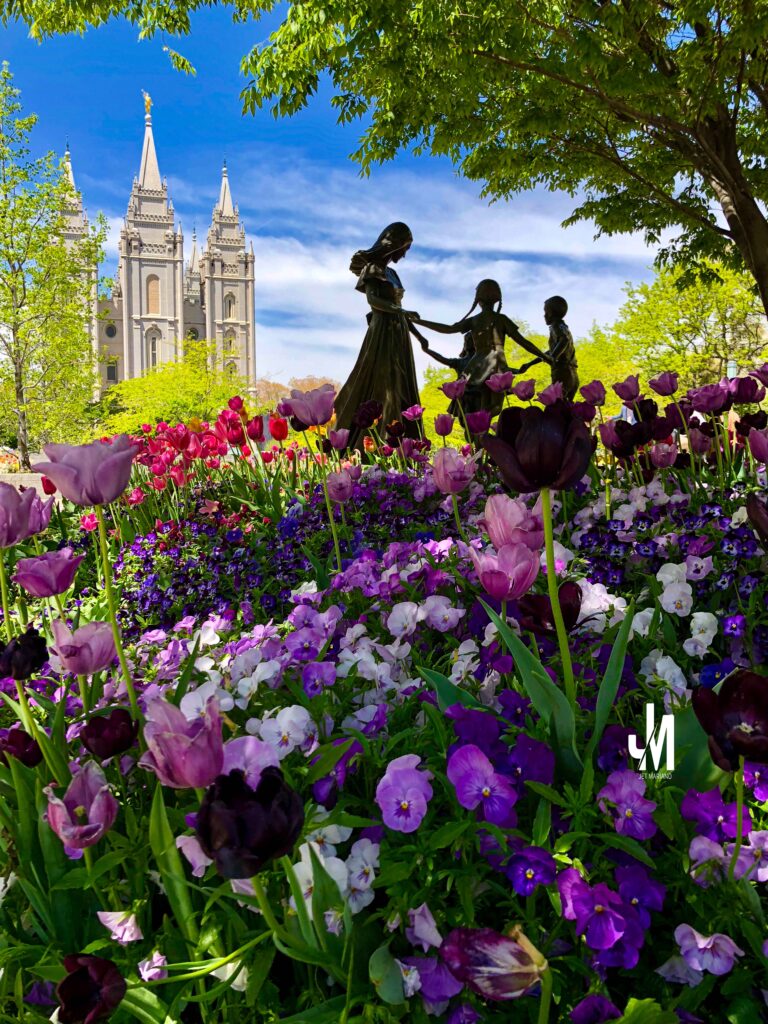
    After choosing not to react, I came here. Among the tulips and the temple, I was reminded that peace is not something we find by accident. It is something we protect by choice.
    Since the scaffolding was removed, the temple has been drawing people all day. I had to patiently wait for the right moment as visitors passed by, taking photos and selfies, until everything cleared.
    Sometimes, stillness is not given. It is waited for.

    Excerpt
    “I will now turn aside, and see this great sight…” (Exodus 3:3)


    Intro
    There are moments when something sacred is placed before us, but it does not demand our attention. We must choose to notice it. We must choose to turn.

    Moses did not just see the burning bush. He chose to turn aside.


    Notes from {Speaker}
    Reverence is not just an aspect of spirituality. It is the foundation of it.

    Elder Ulisses Soares taught that reverence requires intention. It invites us to step away from distraction and give our full attention to what is holy.


    Perspective (direct quotes)
    “I will now turn aside, and see this great sight…” (Exodus 3:3)

    “Moses, Moses” (Exodus 3:4)

    “Put off thy shoes from off thy feet, for the place whereon thou standest is holy ground” (Exodus 3:5)

    “Come and fear not, and lay aside every sin…” (Alma 7:15)

    “Deny yourselves of all ungodliness…” (Moroni 10:32-33)


    Practice (today, not someday)
    Today, I will turn aside.
    I will step away from distractions and from reactions that disturb peace.
    I will choose what is sacred over what is immediate.


    Final Reflection
    Turning aside is not only about moving toward something sacred. It is also about choosing what not to engage.

    Today, on my way to the Filipino Ward in Midvale, Utah, I was looking forward to watching my grandson take part in the Primary musical presentation on Palm Sunday.

    Along the way, I encountered a tense situation on the road that could have easily escalated. For a brief moment, everything paused, and I had a choice.

    I could react.
    I could confront.
    I could escalate.

    Or I could turn aside.

    I chose to remain calm.
    I chose not to engage.
    I chose to continue forward.

    I made it to the chapel. I watched my grandson perform. I spent time with fellow members.

    Afterward, I drove to Temple Square and stood among the tulips, seeing the Salt Lake Temple—quiet, steady, and free from scaffolding.

    Moses turned aside to see something sacred.

    Today, I turned aside from something that would have taken that moment away.


    Pocket I’m Keeping
    “I will now turn aside.”


    What I Hear Now (direct quotes)
    “When God saw that he turned aside… God called unto him…” (Exodus 3:4)


    Link to the talk

    Reverence For Sacred Things – by Elder Ulisses Soares

    © 2012–2026 Jet Mariano. All rights reserved.
    For usage terms, please see the Legal Disclaimer.
  • MIT-8 — “Here Am I: From Objection to Calling”

    Moments like this remind me that moving forward is rarely about feeling ready. It is about trusting enough to go when called. Like Moses, we may question, hesitate, and even doubt, but the promise remains the same: “I will be with thee.”

    Excerpt
    “Who am I, that I should go unto Pharaoh…?” (Exodus 3:11)


    Intro
    There are moments when God calls, and instead of stepping forward, we hesitate. Not because we lack faith, but because we see our own limitations more clearly than our potential. Moses felt it. I have felt it. And perhaps we all have, in our own callings, careers, and responsibilities.


    Notes from Scripture
    Moses did not accept his calling easily. In his encounter with God at the burning bush, he raised concern after concern—six in total. Each one revealed a different fear: inadequacy, lack of knowledge, fear of rejection, personal weakness, comparison, and finally, frustration when results did not come quickly.

    Yet each time, the Lord did not withdraw the calling. He responded with assurance, instruction, power, support, and patience.


    Perspective (direct quotes)
    “Who am I, that I should go unto Pharaoh…?” (Exodus 3:11)
    “I will be with thee” (Exodus 3:12)

    “But, behold, they will not believe me…” (Exodus 4:1)

    “O my Lord, I am not eloquent…” (Exodus 4:10)

    “O my Lord, send… by the hand of him whom thou wilt send” (Exodus 4:13)

    “Lord, wherefore hast thou so evil entreated this people?” (Exodus 5:22)

    “The Lord uses the unlikely to accomplish the impossible” — President Russell M. Nelson


    Practice (today, not someday)
    Today, I will stop disqualifying myself before even trying.
    I will move forward even when I feel unprepared.
    I will trust that if I am called, I will also be supported.


    Final Reflection
    Moses’ objections are not just ancient history. They are alive in our daily lives.

    In my IT journey, I have faced my own “Who am I?” moments:

    • Standing in front of leadership during critical migrations
    • Identifying blockers others could not see
    • Carrying systems that entire departments depended on

    There were times I felt:

    • not qualified enough
    • not ready enough
    • not supported enough

    Yet just like Moses, the pattern was always the same—step forward, and help followed.

    In my IT journey, I have faced moments where I had to step into complex problems that carried real impact across the organization. The pressure was real, and the path forward was not always clear. But as I moved forward step by step, the way opened.

    In other moments, I questioned:
    Why am I the one carrying this?
    Why does it feel harder after I stepped in?

    Moses asked the same thing.

    And still, the Lord did not remove him. He strengthened him.


    Pocket I’m Keeping
    “I will be with thee.”


    What I Hear Now (direct quotes)
    “I will be with thy mouth, and teach thee what thou shalt say” (Exodus 4:12)


    © 2012–2026 Jet Mariano. All rights reserved.
    For usage terms, please see the Legal Disclaimer.

  • Born of Water, Blood, and Spirit — The Sacred Role of Mothers

    Life enters this world through sacrifice.
    Through water. Through blood. Through a mother.

    Excerpt

    Every life enters this world through sacrifice. Through water, through blood, through a mother. I am beginning to understand what that really means.


    Intro

    I’ve been thinking deeply about mothers.

    Especially now.

    There are women who bring life into this world knowing the risks. Some endure long labor, complications, and moments where their own lives are on the line.

    Some give everything… so their child can live.

    And the more I reflect on it, the more I realize:

    We owe our mothers more than we understand.


    Notes from Today

    Today, I was reminded of something simple.

    Even in the middle of my own grief, I found myself thinking about others—about their struggles, their sacrifices, and their quiet strength.

    Someone close to me once asked:

    “Why do you still care for others when you are the one who needs care?”

    I paused.

    Then I remembered something I’ve held onto for years:

    When you are down… lift others up.


    Perspective (Doctrine — Moses 6:59–60)

    In the Book of Moses, the Lord teaches something profound about how we enter this world:

    “Inasmuch as ye were born into the world by water, and blood, and the spirit… even so ye must be born again into the kingdom of heaven” (Moses 6:59).

    Every life begins this way.

    Water—the amniotic fluid that surrounds and sustains the child.
    Blood—the sacrifice of the mother’s body.
    Spirit—the life that comes from God.

    I have come to see this differently now.

    A mother carries a child for nine months. Her body changes. Her strength is stretched. And at the moment of birth, there is water and blood—real sacrifice—so that the child can live.

    This is not just biology.

    This is divine symbolism.

    Just as a mother gives of her own body and blood to bring a child into physical life, Jesus Christ gave His blood so that we might be born again into spiritual life.

    Motherhood, in that moment, becomes a quiet, heaven-given reminder of the Savior’s sacrifice.


    Application (Robert J. Matthews Insight)

    I remember listening to an Education Week address by Robert J. Matthews, where he explained this connection through the Book of Moses.

    He taught that bringing life into the world has always been tied to sacrifice.

    That image has stayed with me:

    A mother giving everything she has…
    so that another life can begin.


    Practice (today, not someday)

    Honor your mother.
    Recognize her sacrifice.
    Do not take life lightly.

    And when you feel like you have nothing left—

    Lift someone anyway.


    Final Reflection

    Mothers give life.

    Not in ease, but through sacrifice.

    And sometimes, we only begin to understand that when we see how fragile life really is.

    I am beginning to understand.


    Pocket I’m Keeping

    Life comes through sacrifice.


    What I Hear Now (direct quotes)

    “Inasmuch as ye were born into the world by water, and blood, and the spirit…”
    “When you are down… lift others up.”


    © 2012–2026 Jet Mariano. All rights reserved.
    For usage terms, please see the Legal Disclaimer.
  • Tú Puedes — The Refining Fire of Grief

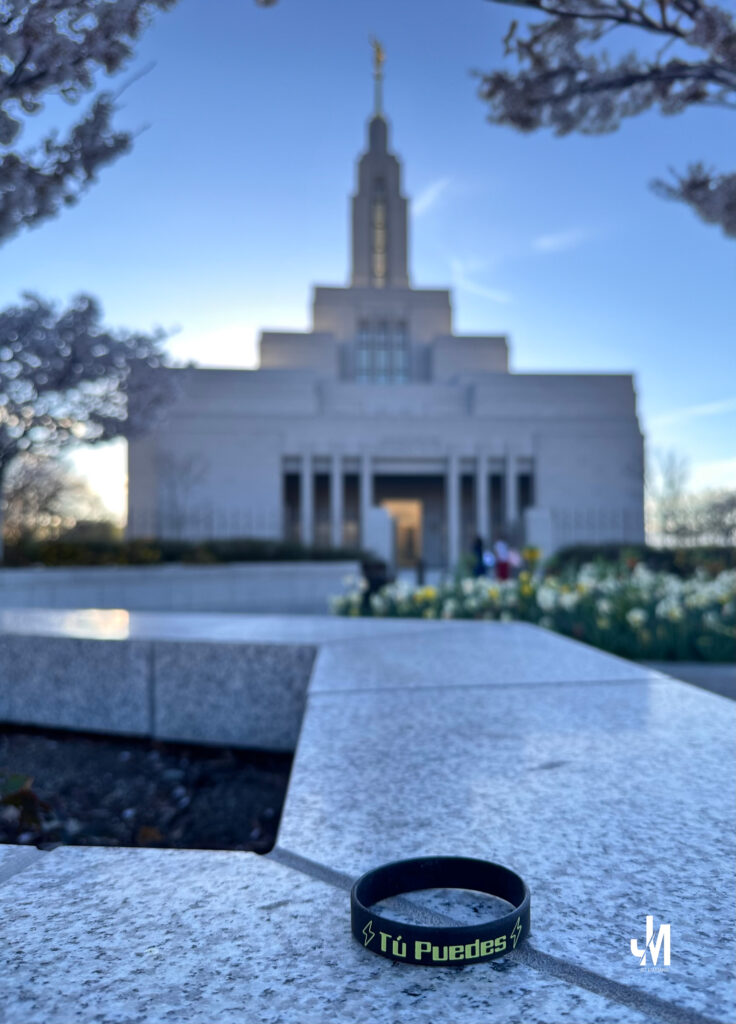
    Everything felt blurred… but the message was clear.
    Tú puedes.

    Excerpt
    I thought I would be used to grief by now. I was wrong. But in the middle of it… a quiet message remained: Tú puedes.


    Intro
    March 23, 2026.

    While at work, I received a message from my younger daughter. She had gone into early contractions at 4AM and lost her baby boy at 19 weeks. His name would have been Solis Xavier.

    It felt like I was struck by lightning.

    In that moment, another memory returned—November 20, 2021. My firstborn daughter went through a similar loss. Her baby boy, Kale’l, was just days away from being born.

    I suddenly felt helpless. I stayed in my office for about an hour, trying to process everything, while our President and HR sat with me.

    The grief didn’t feel new.

    But it didn’t feel any lighter either.


    Notes from Life & Loss
    I thought that after everything I had already experienced—my younger brother, my father, my grandson, my sister-in-law—that I would have learned how to handle grief better.

    I thought maybe I would be used to it by now.

    I’ve heard people say, “life goes on.”

    But I realized something.

    I am not wired that way.

    Each loss feels just as deep. Just as real.

    Even when a coworker passed away earlier this year, I was affected.

    Grief doesn’t lessen because it repeats.

    It remains… because love remains.


    Refining Fire (Ensign 2013 Connection)
    In The Refining Fire of Grief, it teaches that grief is not something we outgrow—it is something that refines us.

    Grief is not a sign of weakness.

    It is the evidence that we love.

    And maybe the reason it still hurts…
    is because I still do.


    Turning Point
    The next day, I tried to fight it the only way I knew how.

    I went to the basement and pushed through six rounds—slipping, ducking, rolling, throwing nonstop combinations. It was the most I had ever done.

    But it didn’t help.

    So I went to the temple.

    Before I entered, I noticed something in my car—a simple band with yellow letters:

    “Tú puedes.”

    I didn’t know what it meant at the time.

    But I brought it with me.

    I placed it in front of the temple.

    Everything else felt blurred…
    but that message became clear.

    You can.


    Perspective (Direct Impressions)
    “You can.”
    “You are still standing.”
    “My grace is sufficient.”

    Not that the pain was gone…
    but that I had strength for this moment.


    The road didn’t stop for my grief. It kept going.
    And in the distance… the temple reminded me where to look.


    On the way, I realized something.

    The road doesn’t stop for grief.

    It keeps going.

    And in the distance… the temple remains.

    Not always close.
    But always there.


    Practice (today, not someday)
    Go anyway.
    Pray anyway.
    Show up anyway.

    Even when your heart is heavy.

    Because that is where strength is given.


    Final Reflection
    I thought I would be used to this by now.

    I’m not.

    And maybe that’s not something to fix.

    Maybe that’s something to understand.

    If this is the refining fire…
    then I will endure it.

    Because love is still worth it.

    And in the middle of it all…

    Tú puedes.

    Kale’l and Xavier.
    Not lost. Not gone.
    Just beyond my reach… for now.

    Pocket I’m Keeping
    Tú puedes.


    What I Hear Now (direct quotes)
    “My grace is sufficient for thee.”
    “I will not leave you comfortless.”
    “Be still, and know that I am God.”


    © 2012–2026 Jet Mariano. All rights reserved.
    For usage terms, please see the Legal Disclaimer.

  • MIT-8 “I will not fail thee, nor forsake thee”

    Oquirrh Temple under the snow moon. A quiet reminder that the light stays, even on nights that hurt.

    Excerpt

    “From the bed of pain, from the pillow wet with tears, we are lifted heavenward by that divine assurance and precious promise: ‘I will not fail thee, nor forsake thee.’”

    “Oh, sweet the joy this sentence gives: ‘I know that my Redeemer lives!’”


    Intro

    Some losses come quietly. Others come with shock.

    When I lost my father on my birthday, I learned what it means to cry and still stand. This week, as death again entered my family circle, President Thomas S. Monson’s words returned to me like an anchor dropped in deep water.

    Death has visited my life more than once. Each time feels different. Each time cuts differently. And yet, the promise remains unchanged.

    He will not fail us.
    He will not forsake us.
    And because He lives, those we love live also.


    Notes from President Thomas S. Monson

    President Monson spoke from personal grief. When his beloved wife Frances passed away, he did not speak as a distant theologian. He spoke as a husband who said, “To say that I miss her does not begin to convey the depth of my feelings.”

    Yet he declared:

    “I know that our separation is temporary… This is the knowledge that sustains me.”

    He reminded us that suffering is universal. No life is free from sorrow. The question is not whether we will suffer. The question is whether we will falter or finish.

    He pointed to Job, stripped of everything, who still declared:

    “I know that my Redeemer liveth.”

    President Monson taught that trials refine us. They do not destroy us unless we allow them to. “Good timber does not grow with ease.” Strength is forged in storm.

    And in another sacred testimony, he declared:

    “Because our Savior died at Calvary, death has no hold upon any one of us.”

    Death is not extinction. It is transition.
    “He is not here, but is risen.”

    And because He rose, so shall we.


    Perspective

    When I saw death up close again, I felt shaken. Grief does that. It is real. It is heavy.

    But President Monson’s voice steadied me.

    “Whether it is the best of times or the worst of times, He is with us.”

    That is not poetic language. That is covenant language.

    I have lost my father.
    I have lost my younger brother.
    I have lost my grandson.
    Now my sister-in-law.

    Each loss has a different intensity. Each one leaves a different imprint.

    Yet the doctrine remains constant.

    “If a man die, shall he live again?”

    “If a man die, he shall live again.”

    That is not wishful thinking. That is Resurrection truth.


    Practice (today, not someday)

    Today I will not demand that grief disappear.

    Today I will:

    Pray even when my voice trembles.
    Listen to hymns that remind my heart of heaven.
    Speak hope to my children when they feel unsettled.
    Choose to believe that separation is temporary.

    I will remember that enduring does not mean suppressing pain. It means walking through it with faith intact.

    Today I finish. I do not falter.


    Final Reflection

    President Monson said, “This is the knowledge that sustains.”

    Not eliminates sorrow.
    Not removes tears.
    Sustains.

    There is a difference.

    From the pillow wet with tears, we are lifted heavenward.

    That lifting is real.

    Because He lives, death is not a wall. It is a door.


    Pocket I’m Keeping

    “He will not fail thee, nor forsake thee.”

    “I know that my Redeemer liveth.”

    Those two promises together are enough.


    What I Hear Now

    “I will not fail thee, nor forsake thee.”

    “Because our Savior died at Calvary, death has no hold upon any one of us.”

    “Oh, sweet the joy this sentence gives: I know that my Redeemer lives.”

    And tonight, that is enough.

    © 2012–2026 Jet Mariano. All rights reserved.
    For usage terms, please see the Legal Disclaimer.

  • MIT-8 Not Shrinking Is More Important Than Surviving

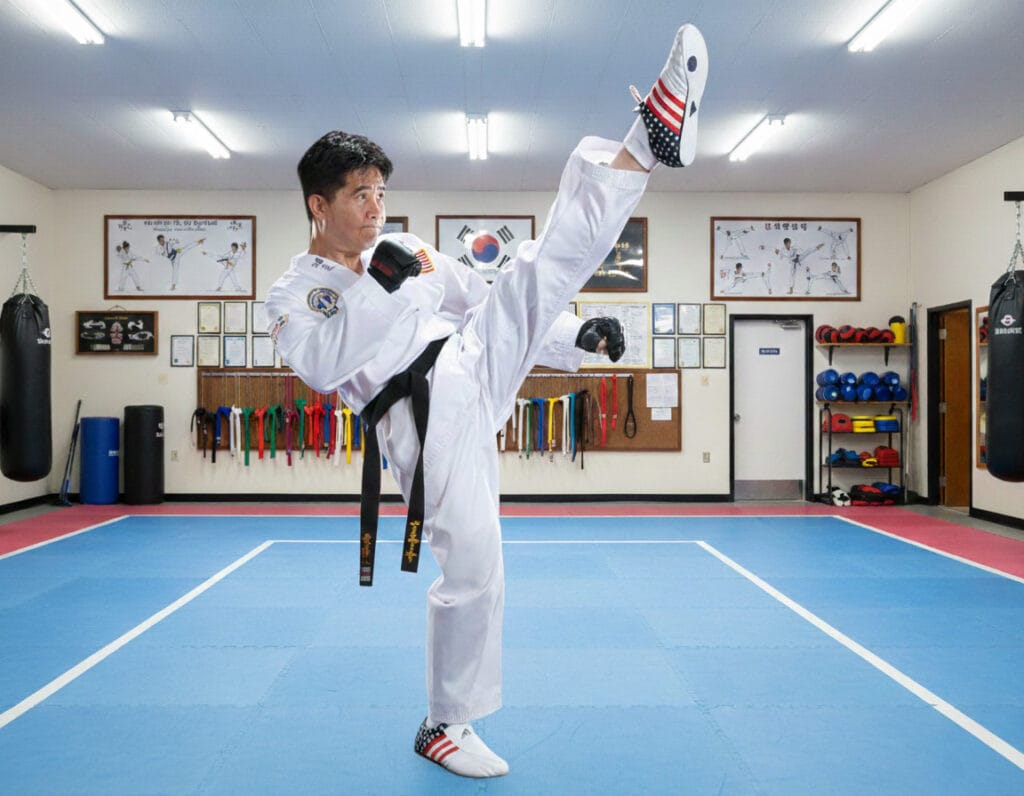
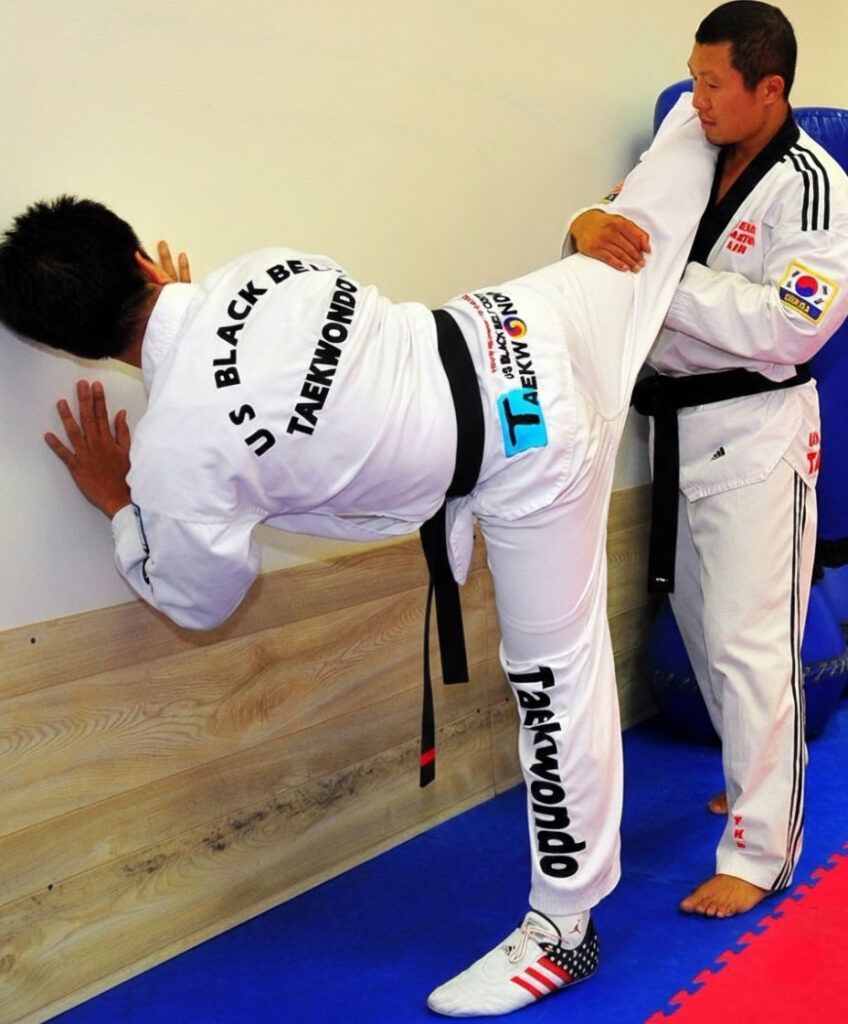
    Before I earned my black belt, I had to execute every kick with precision. Discipline before promotion. Alignment before advancement. Not shrinking is formed long before the test.

    Excerpt

    “As we confront our own trials and tribulations, we too can plead with the Father … that we ‘might not shrink’ (D&C 19:18). Not shrinking is much more important than surviving. Moreover, partaking of a bitter cup without becoming bitter is likewise part of the emulation of Jesus.” — Elder Neal A. Maxwell


    Intro

    I thought I understood what it meant not to shrink.

    I survived hunger at 14.
    I survived selling food to passengers just to eat.
    I survived a near-death experience in 1996.
    I survived panic attacks and insomnia.
    I survived being told I might never work in a high-stress IT environment again.

    But this week, after lap after lap, mitts that escalated from 4 to 10 sets, 87 squat jumps from Tyson cards, mountain climbers, pushups, and 12 nonstop rounds of heavy bag combinations, I understood what Elder Maxwell meant. Not shrinking is more important than surviving.

    I have survived many things.

    When hunger, anxiety, and loneliness visit, I move.
    This is how I train my body
    so my spirit does not shrink.

    But survival is not the same as not shrinking.


    Notes from the Talk

    Elder Maxwell did not ask merely to survive chemotherapy.

    He asked not to shrink.

    Not to retreat.
    Not to recoil.
    Not to become bitter.

    The Savior Himself said:

    “…and would that I might not drink the bitter cup, and shrink—
    Nevertheless, glory be to the Father…” (D&C 19:18–19)

    Not shrinking is not loud strength.
    It is quiet submission.


    Perspective

    When I was 14 and hungry, movement became survival.
    If I exercised, I could forget hunger.

    When doctors questioned my future after my NDE, I refused to shrink. I sought a second opinion. I rebuilt my life.

    When anxiety and insomnia threatened my stability, I trained harder. I cleaned up my diet. I disciplined my schedule.

    Even today, when loneliness creeps in, I move.
    When silence feels heavy, I train.
    When desire rises, I redirect it into discipline.

    This week I completed 87 squat jumps through Tyson cards. Not to prove something to anyone. Not to impress younger men. But because discipline has been my medicine for decades.

    But here is the paradox I am learning:

    It is easier for me to outwork discomfort than to sit still with it.

    Surviving built my endurance.

    Not shrinking requires surrender.


    Practice (Today, Not Someday)

    For me, not shrinking today looks like:

    Training without ego.
    Competing without needing validation.
    Continuing IT responsibilities with integrity even when exhausted.
    Feeling loneliness without immediately escaping it.
    Submitting my will when outcomes do not match my expectations.

    I once believed not shrinking meant pushing harder.

    Not shrinking begins in submission, not in strength.

    Now I am learning it sometimes means staying still without fear.


    Final Reflection

    Surviving builds muscle.

    Not shrinking builds character.

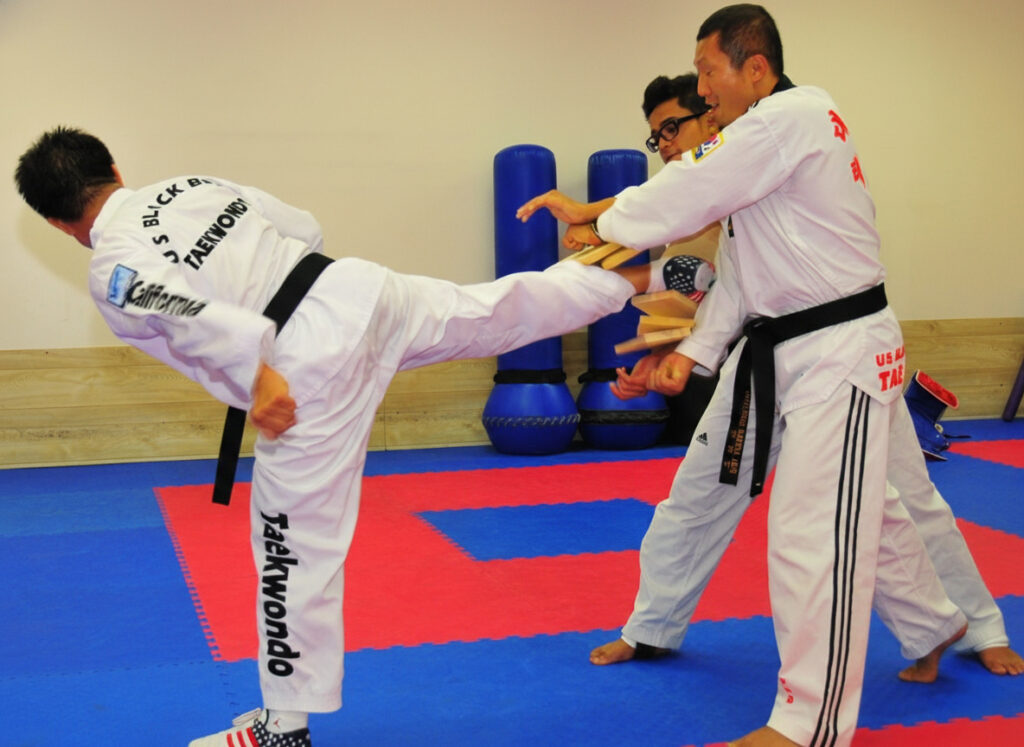
    Back kick board break during black belt testing. Commitment through resistance. Not shrinking means driving through the barrier, not recoiling from it.

    I survived poverty.
    I survived medical predictions.
    I survived anxiety.

    But the deeper test is partaking of the bitter cup without becoming bitter.

    To trust God’s timing.
    To accept outcomes I cannot control.
    To allow my will to be swallowed up in the will of the Father.

    That is not weakness.

    That is discipleship.


    Pocket I’m Keeping

    “I just don’t want to shrink.”

    Not from hunger.
    Not from fear.
    Not from loneliness.
    Not from aging.
    Not from silence.


    What I Hear Now

    “Strong faith in the Savior is submissively accepting of His will and timing in our lives—even if the outcome is not what we hoped for or wanted.”

    I know how to push.

    Now I am learning how to submit.


    Link to the Talk

    That We Might Not Shrink (D&C 19:18)
    https://www.churchofjesuschrist.org/study/broadcasts/article/ces-devotionals/2013/01/that-we-might-not-shrink-d-c-19-18?lang=eng

    © 2012–2026 Jet Mariano. All rights reserved.
    For usage terms, please see the Legal Disclaimer.
  • Marked in Time — First-Class Challenges

    In those airport chairs between flights, life felt like motion without pause.
    Four states, four plants, frame relay lines, T1 circuits, Exchange servers, and long hotel nights before Y2K.
    Most weeks were seven days long, and some days stretched 18 hours.
    Somewhere between Tucson and LAX, U2 played through my headphones — “With or Without You” and “I Still Haven’t Found What I’m Looking For.”
    I did not know it then, but God was stretching me for something bigger.

    Excerpt

    “We cannot expect life to be a first-class experience unless we face some first-class challenges.”

    “Some suffering comes because we believe and because God loves us.”

    — Elder Neal A. Maxwell

    Intro

    Some challenges come from mistakes. Some come simply because mortality is hard. But some challenges come because God trusts us enough to refine us.

    Elder Neal A. Maxwell taught that suffering is not random. It is purposeful. It is measured. It is sometimes the very evidence that God is shaping us for something eternal.

    Not all pain means something is wrong. Sometimes pain means something sacred is happening.


    Notes from Elder Maxwell

    Elder Maxwell described three forms of suffering:

    1. Suffering from sin and poor choices — the consequences of mistakes that teach humility and accountability.
    2. Suffering as part of mortal life — illness, aging, loss, and the ordinary weight of living in a fallen world.
    3. The highest form of suffering — suffering that comes because we believe and because God loves us. This suffering stretches the soul and prepares us for eternal capacity.

    He taught that discipleship does not remove difficulty — it often deepens refinement.

    Life’s greatest tests may include:

    • affluence
    • loss of health
    • loss of loved ones
    • loneliness
    • responsibility
    • waiting on the Lord

    These are not punishments. They are tests of trust.


    Perspective

    In infrastructure engineering, systems are pushed under controlled stress before deployment. Not to break them — but to prove they can endure.

    Spiritual life works the same way.

    God does not stretch the soul to destroy it.
    He stretches it so it can carry more light, more responsibility, and more compassion.

    The challenge is not merely surviving hardship.

    The challenge is not shrinking during hardship.


    Practice (Today, Not Someday)

    1. Name the challenge honestly
      Instead of asking “Why me?” ask “What is this preparing me for?”
    2. Trust the timing of understanding
      Some experiences only make sense after endurance.
    3. Hold your ground spiritually
      Faithfulness during confusion is itself a form of worship.

    Final Reflection

    Elder Maxwell closed with a reminder about accountability.

    He said that while he was accountable for what he taught, we are accountable for what we have heard.

    Challenges are not interruptions to discipleship.
    They are the proving ground of discipleship.

    We cannot always control suffering.
    But we can decide whether we will shrink or stand.

    And sometimes, standing is victory enough.


    Pocket I’m Keeping

    “First-class challenges prepare us for first-class discipleship.”


    What I Hear Now

    “The highest form of suffering is not punishment — it is preparation.”


    Link to the talk

    Guidelines for Righteous Living — Elder Neal A. Maxwell

    © 2012–2026 Jet Mariano. All rights reserved.
    For usage terms, please see the Legal Disclaimer.
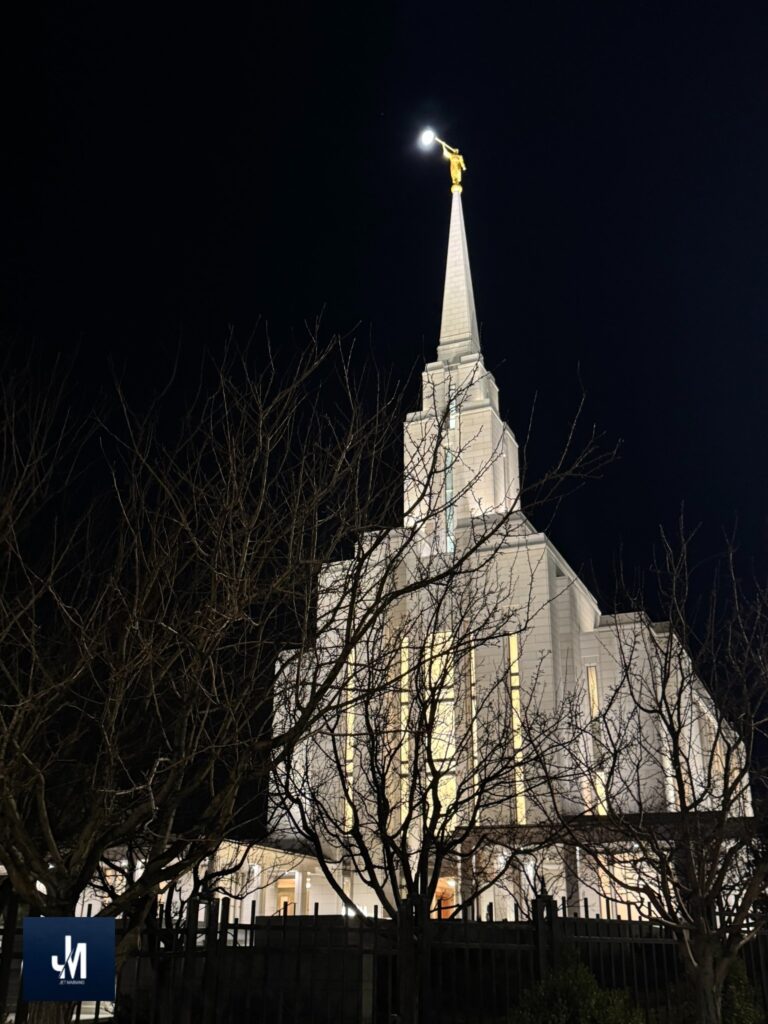
  • Marked in Time — Tomorrow the Lord Will Do Wonders Among You

    Oquirrh Mountain Temple under the first supermoon of 2026 — a reminder that light always returns.

    Excerpt
    “With the gift of the Atonement of Jesus Christ and the strength of heaven to help us, we can improve.”


    Intro
    Some messages arrive when the heart needs reassurance more than instruction. Elder Jeffrey R. Holland’s talk reminds me that discipleship is not about perfection today — it is about hope for tomorrow. Like the rising of the moon over the temple, light returns even after the darkest moments.


    Notes from Elder Holland
    Elder Holland teaches that the gospel is meant to inspire progress, not discourage effort. The Lord does not expect immediate perfection. He asks us to keep trying, trusting in the power of the Atonement to help us grow over time.


    Perspective (direct quotes)
    “First of all, if in the days ahead you not only see limitations in those around you but also find elements in your own life that don’t yet measure up to the messages you have heard this weekend, please don’t be cast down in spirit and don’t give up.”

    “The gospel, the Church, and these wonderful semiannual gatherings are intended to give hope and inspiration. They are not intended to discourage you.”

    “With the gift of the Atonement of Jesus Christ and the strength of heaven to help us, we can improve, and the great thing about the gospel is we get credit for trying, even if we don’t always succeed.”

    President George Q. Cannon once taught:
    “No matter how serious the trial, how deep the distress, how great the affliction, [God] will never desert us. He never has, and He never will.”


    Practice (today, not someday)
    Today I will remember that effort matters to God. Progress matters to God. Trying matters to God. I will move forward with faith, even when growth feels slow.


    Final Reflection
    Hope in the gospel is not based on perfection — it is based on the Atonement of Jesus Christ. Tomorrow really can be brighter than today because God is patient with our growth.


    Pocket I’m Keeping
    “We get credit for trying.”


    What I Hear Now (direct quotes)
    “Tomorrow the Lord will do wonders among you.”
    “He will never desert us.”

    © 2012–2026 Jet Mariano. All rights reserved.
    For usage terms, please see the Legal Disclaimer.
  • Marked in Time — Willing to Submit

    Quiet reflection outside the temple — learning to trust God’s timing and His will.

    Excerpt
    “May we now, in our time and turn, be willing to submit.”


    Intro
    Some lessons in life are about effort. Others are about patience. But Elder Neal A. Maxwell teaches that the deepest discipleship is not just about doing more — it is about yielding more. Submission is not weakness. It is trust in God’s wisdom when life does not unfold according to our plans.


    Notes from Elder Maxwell
    Elder Maxwell explains that spiritual growth often requires us to accept certain realities while actively improving others. True submissiveness is learning to discern the difference between what must be endured and what must be changed. It is the quiet willingness to trust God’s purposes even when life feels heavy or unclear.


    Perspective (direct quotes)
    “Suffice it to say, God ‘allotteth unto men’ certain things with which we are to be content. (See Alma 29:4, Philip. 4:11; 1 Tim. 6:8.) A missing parent or limb is to be lived without. Yet temper and lust are to be tamed. One’s race is fixed, but one’s genetic endowment offers opportunity to be a careful steward. The submissive soul will be led aright, enduring some things well while being anxiously engaged in setting other things right — all the time discerning the difference.”

    “We have been given three special words — but if not — by three submissive young men who entered their fiery furnace, knowing ‘our God … is able to deliver us from the burning fiery furnace, … But if not, be it known unto thee, O king, that we will not serve thy gods.’ (Dan. 3:17–18.)”


    Practice (today, not someday)
    Today I will focus on surrendering control where I need to trust God more. I will work to improve what I can change — my discipline, my attitude, and my patience — while accepting the things God has allotted to me with humility and faith.


    Personal Reflection
    Last night I listened to Elder Maxwell’s talk repeatedly — over and over — until the early hours of Sunday morning. I kept my mind engaged and my hands busy. While listening, I converted my Ruger PC Carbine, did laundry, and prepared a healthy dinner. Moving from one meaningful task to another helped steady my thoughts.

    When those were finished, I continued with two hours of non-stop shadow boxing and isometric exercises, still listening to the talk. By the end of the night, I had heard it nearly twenty times.

    I am learning that submission is not always expressed in dramatic moments. Sometimes it is simply continuing to do good things — working, building, training, and trusting God to shape the heart quietly.


    Final Reflection
    Submission is not giving up. It is aligning our will with God’s will. Elder Maxwell reminds us that discipleship is not proven in comfort but in trust — especially when the answer is “but if not.” Faith means believing God can deliver us, while trusting Him even if He does not.


    Pocket I’m Keeping
    “The submissive soul will be led aright.”


    What I Hear Now (direct quotes)
    “Nevertheless not as I will, but as thou wilt.”
    “May we now, in our time and turn, be willing to submit.”


    Link to the talk
    https://www.churchofjesuschrist.org/study/general-conference/1985/04/willing-to-submit

    © 2012–2026 Jet Mariano. All rights reserved.
    For usage terms, please see the Legal Disclaimer.
  • MIT8 – “Don’t Give Up, Boy”

    By Elder Jeffrey R. Holland, Oct 1999

    Layton Temple beneath the final supermoon of 2025 — a quiet witness that light continues to rise, even after long nights.

    Excerpt

    “Don’t give up, boy. Don’t you quit. You keep walking. You keep trying. There is help and happiness ahead. Trust God and believe in good things to come.”


    Intro

    For the last four days, I have listened repeatedly to Elder Jeffrey R. Holland’s talk An High Priest of Good Things to Come. On December 4, 2025, standing at the Layton Temple beneath the final supermoon of the year, those words settled deeply into my heart.

    This was not a message of quick relief or easy answers. It was a message spoken to the weary, the long-suffering, and those who keep walking even when the road feels endless.


    Notes from Elder Jeffrey R. Holland

    Elder Holland shared a tender, personal account from his life — a moment when he imagined speaking to his younger self during a season of discouragement and uncertainty.

    Rather than rewriting the past, he offered reassurance. Not denial of hardship, but perspective gained through time, faith, and endurance.

    His message was simple and powerful: God was already at work. Help was already coming. And quitting was never the answer.


    Perspective (Direct Quotes)

    “In that imaginary instant, I couldn’t help calling out to him: ‘Don’t give up, boy. Don’t you quit. You keep walking. You keep trying.’”

    “There is help and happiness ahead — a lot of it — 30 years of it now, and still counting.”

    “You keep your chin up. It will be all right in the end.”

    “Trust God and believe in good things to come.”


    Practice (Today, Not Someday)

    Today, the practice is not dramatic change. It is refusal to quit.

    It is continuing to walk when answers are delayed. It is continuing to believe when outcomes are unseen. It is choosing faith not because the road is easy, but because God is faithful.

    Today, I keep walking.


    Final Reflection

    Under the rising supermoon at the Layton Temple, I felt something quiet but firm: reassurance does not erase trials, but it strengthens the traveler.

    God does not rush us through our struggles. He walks with us through them.


    Pocket I’m Keeping

    “Don’t give up. Don’t quit. Keep walking. Trust God. Good things are coming.”


    Link to the Talk

    An High Priest of Good Things to Come – Elder Jeffrey R. Holland https://www.churchofjesuschrist.org/study/general-conference/1999/10/an-high-priest-of-good-things-to-come?lang=eng

    © 2012–2025 Jet Mariano. All rights reserved.
    For usage terms, please see the Legal Disclaimer.

  • MIT8 – “If thou art merry, praise the Lord..”

    A fiery sky closing the day, almost as if heaven was offering its own hymn. The temple stood steady, unchanged, reminding me to praise Him not only in blessings received, but in blessings still forming.

    Excerpt

    A Thanksgiving weekend temple visit, four evening photos, quiet worship, and a lesson about gratitude that opened my heart in a new way.


    Intro

    Last night at the Syracuse Utah Temple, I watched the sky turn from warm sunset to cold moonrise. Christmas lights glowed on the temple grounds, and a waxing gibbous moon appeared just as I finished my proxy endowment session.
    It reminded me of something simple but powerful: joy is meant to be expressed. And worship, especially through music, is one of the clearest ways to do it.


    Notes from Elder Cook and Elder Soares

    Giving voice to our joy is just as important as seeking comfort in sorrow. Elder Quentin L Cook taught that lives full of praise, music, and thanksgiving are uniquely blessed.
    Moroni described worship this way:
    Preaching, exhorting, prayer, supplication, and singing — all led by the Spirit.
    Elder Ulisses Soares reminded us to tune our hearts to the Lord through sincere singing of sacred hymns.
    Singing is the one form of worship where the entire congregation participates. It is unity in real time.


    Perspective

    Last night I thought about the way music lifts the soul. A hymn is not just melody. It is prayer with a pulse.
    When we sing, we do not stand alone. Heaven joins us.
    I felt that inside the endowment room and again as I took photos outside: worship is not something we check off. It is something we become.


    Practice (today, not someday)

    Today I will worship with music. I will lift my voice, even quietly, in hymn-singing.
    I will let the words settle into my mind and soften my heart.
    I will give thanks in song, not just in thought.


    Final Reflection

    Tonight a single scripture opened in a new way for me: D&C 59:21.
    The Lord did not say to thank Him for all things.
    He said to acknowledge His hand “in” all things.

    There is a difference.
    For is gratitude for what God has already done.
    In is gratitude for what God is about to do.

    “For” looks back.
    “In” looks forward.
    For celebrates what arrived.
    In trusts what is still forming.

    Being thankful for blessings is remembering.
    Being thankful in blessings is faith — the kind that walks forward without seeing the whole path.
    Last night I learned that gratitude is not only a reaction to the past. It is trust in the present.
    It is the courage to say, even before the blessing is visible, I know God is working in this.


    Pocket I’m Keeping

    Gratitude is not only looking back at what God has done.
    It is looking forward with faith at what He is shaping next.


    What I Hear Now (direct quotes)

    Moroni 6:6
    Their meetings were conducted after the manner of the workings of the Spirit.
    Elder Cook
    Lives full of praise, music, and thanksgiving are uniquely blessed.
    Elder Soares
    Tune your heart to the Lord through sincere singing.


    Link to the talk

    https://www.churchofjesuschrist.org/study/general-conference/2023/10/43cook
    https://www.churchofjesuschrist.org/study/general-conference/2025/04/14soares


    © 2012–2025 Jet Mariano. All rights reserved.
    For usage terms, please see the Legal Disclaimer.
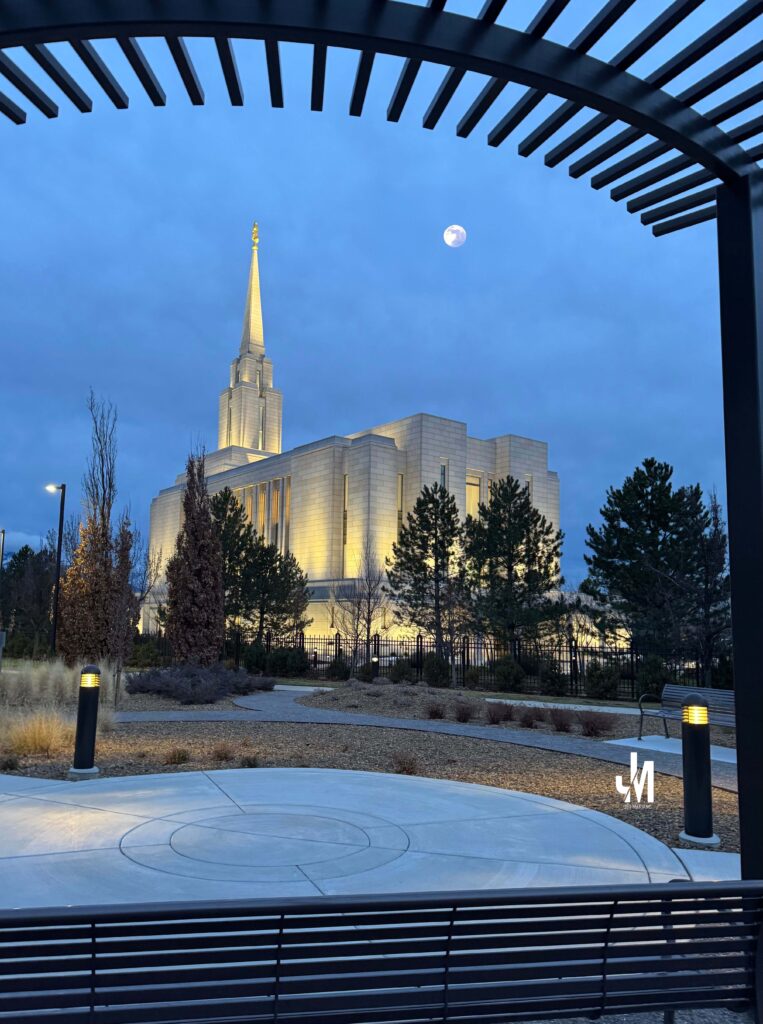
  • MARKED IN TIME — “DO YOUR PART” (MIT8)

    Elder Dieter F. Uchtdorf — October 2025 General Conference

    Where effort meets grace, discipleship blooms

    Excerpt

    “Trust the Savior and engage, patiently and diligently, in doing your part with all your heart.”


    Intro

    Life moves fast — technology, deadlines, expectations, and noise. Elder Uchtdorf’s message reminded me to slow down, trust the Savior, and stay consistent in the small habits that shape who I am. It’s not about speed. It’s about direction. And the quiet discipline behind every disciple’s journey.


    Notes from Elder Uchtdorf

    Trust the Savior completely and give Him your steady daily effort.
    Discipleship requires practice.
    Skills fade without continued effort.
    Greatness grows from repetition, humility, and patience.
    The Lord magnifies even small efforts when offered with heart.


    Perspective (direct quotes)

    “Getting good at anything… takes consistent self-discipline and practice.”
    Whether flying, rowing, sowing, learning, or becoming — practice never stops.

    “Trust the Savior and engage… in doing your part with all your heart.”
    He doesn’t ask perfection — just faith in motion.


    Practice — Today, Not Someday

    My Discipline in IT
    Technology evolves every day. You don’t master it once — you study daily. I use Microsoft Learn, Udemy, and YouTube Premium, and I blog because writing helps me lock in what I learn. This is my stewardship: my part in staying sharp.

    My Discipline in Photography
    Photography isn’t just technical settings. It’s learning to read the light, study it, and anticipate it. Capturing it is an act of patience and discipline — just like discipleship.

    My Discipline in Health
    My body is my engine. If I don’t stay fit, how can I keep up with the never-ending pace of IT? Health keeps my mind focused. My discipline keeps me grounded.

    My RFC Trio
    Just like SPF, DKIM, and DMARC work as a trio — strengthening trust and protecting identity — my three disciplines work together:

    Mind (IT)
    Creativity (Photography)
    Body (Health)

    One supports the other. One anchors the next. And that’s how discipleship grows: line upon line, habit upon habit.


    Final Reflection

    Discipline is not punishment. It’s devotion — devotion to the future you, and trust in a God who sees more in you than you see in yourself. “Doing your part” isn’t dramatic or loud. It’s small steady steps that build spiritual muscle.


    Pocket I’m Keeping

    “Trust the Savior… and engage diligently in doing your part.”
    Not perfectly.
    Not instantly.
    Just faithfully.


    What I Hear Now (direct quotes)

    Consistency is strength.
    “Keep practicing.”
    “I will make your small offering enough.”
    “Do your part — I will do Mine.”

    © 2012–2025 Jet Mariano. All rights reserved.
    For usage terms, please see the Legal Disclaimer.
  • MIT8 – If It’s to Be, It’s Up to Me — and God’s Timing

    Milky Way rising behind Delicate Arch in Moab, Utah, photographed by Jet Mariano. A visual reminder of faith, effort, and timing.

    Excerpt
    If it’s to be, it’s up to me — but only when my feet move in faith and God’s timing directs the path. Today, through hymns, impressions, and a memory of Delicate Arch under the Milky Way, I was reminded that blessings unfold when effort meets revelation.


    Intro: The Path Is Action + Timing
    This morning I woke up peacefully with a single impression:
    “If it’s to be, it’s up to me.”

    That sentence framed my entire Sabbath. Each hymn, each thought, each scripture, even the Sunday School lesson seemed orchestrated around one doctrine I’ve lived for decades:

    Faith is a principle of action — but blessings come in God’s timing.

    I’ve worked since I was 12 years old and didn’t enter the IT world until age 37. Nothing was wasted. Every phase prepared me for the next. Today reminded me again: God’s plan is not passive, but it’s not instant either. It is effort + grace. Movement + revelation. Timing + trust.


    Notes From Elder Dale G. Renlund
    Elder Renlund teaches in Abound with Blessings:

    “Most blessings that God desires to give us require action on our part—action based on our faith in Jesus Christ. Faith in the Savior is a principle of action and of power.”

    He adds:

    “Faith in Christ requires ongoing action for the blaze to continue. Small actions fuel our ability to walk along the covenant path… But oxygen flows only if we figuratively keep moving our feet.”

    His examples are profound:

    • Make the bow before the revelation comes
    • Build the tools before the instructions arrive
    • Bake the cake before the miracle of flour appears

    Faith requires movement.
    But miracles require God’s timing.


    Perspective — Elder Christofferson’s Vending Machine Warning
    Elder D. Todd Christofferson adds the perfect balance:

    “We ought not to think of God’s plan as a cosmic vending machine where we (1) select a desired blessing, (2) insert the required sum of good works, and (3) the order is promptly delivered.”

    It does not work that way.

    Blessings are not:

    • purchased,
    • demanded,
    • or dispensed on schedule.

    As I wrote in last night’s Predicated blog:

    “Blessings from heaven are neither earned by frenetically accruing ‘good deed coupons’ nor by helplessly waiting to see if we win the blessing lottery. No.”

    True faith is not transactional — it is transformational.


    Practice (Today, Not Someday): The Delicate Arch Lesson
    My photograph of the Milky Way rising behind Delicate Arch is a visual sermon about faith and action.

    The hike is 3 miles round trip, with over 600 feet of elevation climb. During summer, the Milky Way rises behind the arch for only a brief window. If I waited for perfect conditions or perfect timing, I would miss it.

    So I climbed early.
    Walked in the dark.
    Prepared my gear.
    Positioned myself.
    And waited for heaven to align.

    Only then did the Milky Way rise — after I moved my feet.

    Some blessings don’t appear until we climb.
    Some revelation doesn’t rise until we prepare.
    Some miracles don’t unfold until we act in faith.

    That hike is my life:
    from working at 12,
    to breakthroughs at 37,
    to every step since.
    Effort + timing.
    Action + grace.
    Faith + patience.


    Final Reflection
    “If it’s to be, it’s up to me” is not self-reliance without God.
    It’s my action combined with His timing.
    My discipline combined with His direction.
    My relentless faith combined with His perfect plan.

    Today reminded me that the Lord isn’t a vending machine dispensing blessings on demand. He’s a Father who blesses according to eternal purpose. Sometimes He asks me to climb in the dark. Sometimes He asks me to wait. But He always keeps His promises.


    Pocket I’m Keeping
    Move my feet — and trust His timing.
    Climb faithfully — and let Him reveal the Milky Way.


    What I Hear Now (Direct Quotes)
    “Faith in the Savior is a principle of action and of power.” — Elder Renlund
    “Blessings require movement — oxygen flows only if you keep your feet moving.”
    “God is not a cosmic vending machine.” — Elder Christofferson
    “Make the bow before the revelation comes.”

    © 2012–2025 Jet Mariano. All rights reserved.
    For usage terms, please see the Legal Disclaimer.
  • MIT8 – “Let Virtue Garnish Thy Thoughts Unceasingly”

    (President Gordon B. Hinckley, April 2007 General Conference)
    Read the full talk →

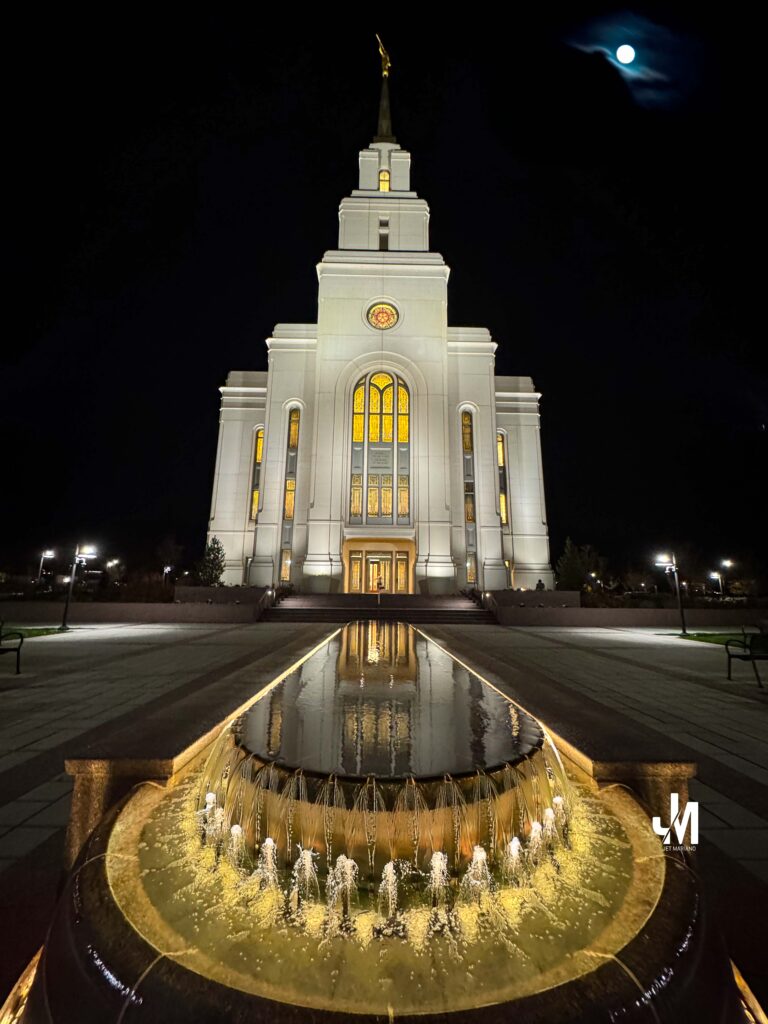
    Oquirrh Mountain Temple under the waxing gibbous moon — November, 2025. I waited patiently until light met stillness.

    Excerpt:
    President Hinckley’s counsel reaches across time: “Let virtue garnish thy thoughts unceasingly; then shall thy confidence wax strong in the presence of God.” The promise that follows is profound—“The Holy Ghost shall be thy constant companion.” These are not poetic lines; they are spiritual laws. Virtue invites confidence, and confidence invites the Spirit.


    When I listened to this talk again—over fifty times between last night and this morning—the Spirit emphasized one word: virtue.

    What is virtue?
    Virtue means to fill your mind with morally clean, righteous, and excellent thoughts until goodness becomes your reflex. To garnish is to equip or arm your thoughts, so when fear, doubt, or temptation step onto the stage of your mind, they find no audience. We control the stage. We choose which act plays. As I sat inside the Oquirrh Mountain Temple, I realized: darkness never conquers light that is armed with virtue.

    President Hinckley connected virtue to a simple, practical four-point program—a pattern that turns righteousness into rhythm:

    1. Pray.
      Prayer is the bridge to our Heavenly Father. “Speak with Him,” President Hinckley said. “Express the gratitude of your heart.” Prayer is not repetition—it is relationship. It invites light to dwell where confusion once lived.
    2. Study.
      “Resolve now that you will get all the education you can.” The glory of God is intelligence. I remember my own pursuit—working full-time in IT while carrying a full course load at LACC and DeVry. It was exhausting, but education was revelation in motion. To study is to worship with the mind.
    3. Pay Tithing.
      “Glorious is the promise of the Lord concerning those who pay their tithes.” Temporal faith builds spiritual independence. Each tithe is a declaration that God’s economy governs my heart more than the world’s uncertainty.
    4. Attend Your Meetings.
      There is no substitute for partaking of the sacrament. Sunday worship keeps us anchored when weekday storms rise. It renews the covenant that allows virtue to flow back into thought and action.

    President Hinckley’s bridge between virtue and the four-point program is clear once you live it: each step disciplines the mind and purifies the heart.
    Prayer keeps thoughts upward.
    Study keeps them expanding.
    Tithing keeps them consecrated.
    Worship keeps them renewed.
    Together, they garnish the mind with virtue—unceasingly.

    He promised, “Each of you is a creature of Divinity. You are literally a daughter or son of the Almighty. There is no limit to your potential. If you will take control of your lives, the future is filled with opportunity and gladness.”

    As I waited outside the Oquirrh Temple for the waxing gibbous moon to rise above the spire, I thought of those words. The moon appeared quietly, reflecting light it does not create—just as we reflect heaven’s virtue when we live this four-point pattern.


    Final Reflection:
    Virtue is not perfection—it is direction. It is the steady alignment of thought toward holiness until confidence replaces fear. In that light, President Hinckley’s four steps are not separate commandments; they are one continuous motion toward the presence of God.

    © 2012–2025 Jet Mariano. All rights reserved.
    For usage terms, please see the Legal Disclaimer.
  • MIT8 – “Trust the Lord, for He sees your possibilities even when you do not.”

    Trust the Lord, for He sees your possibilities even when you do not. Elder Neal A. Maxwell’s counsel reminds us that, like Enoch, we can turn doubt into divine potential.

    Las Vegas Temple with a full moon and the Las Vegas skyline at sunset — photographed from an elevated ridge using distance compression to unite the sacred and the city.

    Excerpt:
    Even when we feel inadequate, the Lord sees the builder of Zion within us—just as He did with Enoch.


    Intro:
    This morning at Juniper Crest Ward, I sat in the chapel and felt a deep sense of peace. Life continues to offer its share of challenges—both at home and at work—but I’ve come to see them as part of the Lord’s refining process. As I pondered Elder Maxwell’s words, the phrase “He sees your possibilities” filled me with quiet assurance that every experience, even the difficult ones, is part of His design to help me grow.


    Notes from Elder Maxwell:
    Elder Neal A. Maxwell’s twelfth Guideline for Righteous Living reminds us:

    “Trust the Lord, for He sees your possibilities even when you do not.”

    He taught that the Lord’s call to Enoch reveals how heaven measures potential differently than men do. When the Lord called Enoch, the young prophet protested:

    “I am but a lad, and all the people hate me; for I am slow of speech.”

    Yet the Lord saw something more. He saw in Enoch a builder of Zion—the only city in human history where righteousness never had a relapse. Enoch’s faith allowed the Lord to transform his weakness into strength and his fear into greatness.


    Perspective:
    I see a reflection of that same principle in my own journey. There are moments when I’ve questioned my worth or felt small in the work I do. But the Lord continues to remind me through scripture, prayer, and personal experience that He knows my capacity far better than I do. Like Enoch, my task is not to measure my ability—but to trust His vision.


    Practice (today, not someday):
    Instead of asking “Can I do this?”, I’m learning to ask “What can the Lord make of this?” I’ve seen His hand in small mercies at work, in strength during solitude, and in clarity during uncertainty. Each trial is not punishment—it’s preparation for the next assignment the Lord already sees.


    Final Reflection:
    The Lord doesn’t always reveal our full potential at once. Sometimes, He lets us walk by faith until we recognize what He already knew we could become. Like Enoch, if we trust Him, He will turn our limitations into instruments of Zion.


    Pocket I’m Keeping:
    “Possibility is heaven’s word for faith that kept going.”


    What I Hear Now (direct quotes):

    “Trust the Lord, for He sees your possibilities even when you do not.” – Elder Neal A. Maxwell


    Link to the Talk:
    21 Guidelines for Righteous Living – Elder Neal A. Maxwell


    Photo caption (BTS):
    Las Vegas Nevada Temple beneath the setting sun and a rising full moon. I climbed to a nearby ridge with a 500mm lens to capture distance compression—bringing the temple and the Las Vegas Strip closer together in one frame. In that balance of sacred stillness and the world’s brilliance, I saw a quiet symbol of what it means to trust the Lord’s vision beyond our own.

    © 2012–2025 Jet Mariano. All rights reserved.
    For usage terms, please see the Legal Disclaimer.
error: Content is protected !!