Tag: IT careers

  • Understanding IT Career Paths — Part 2

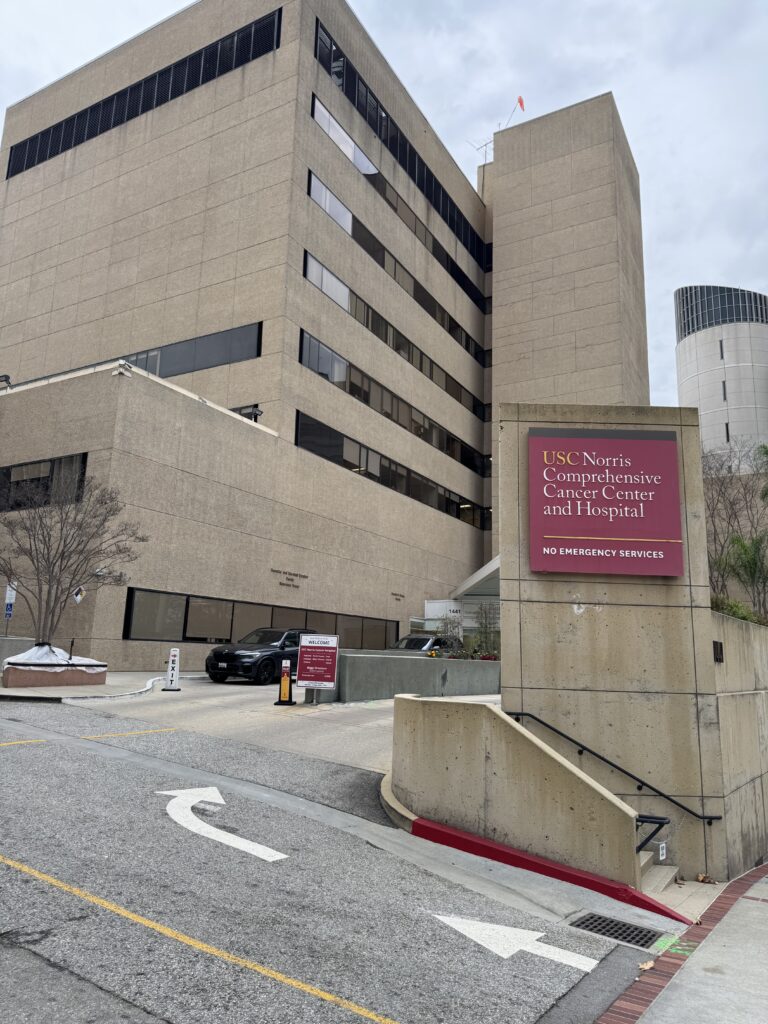
    USC Norris Cancer Center — one of the early enterprise environments where I supported large-scale infrastructure and user systems during the early days of my IT career.

    Infrastructure in the Real World


    After years of school, sacrifice, and helping people fix computers for free, my first real opportunity in IT finally arrived.

    At the time, I was still attending Los Angeles College full time during the week and Devry Institute of Technology full time on weekends, while raising my children and trying to build a future in technology.

    My first professional role came with a 90-day probation period, where I had to prove I could provide help desk and network support across the Los Angeles area.

    My title was PC/Network Specialist, supporting over 900 users.
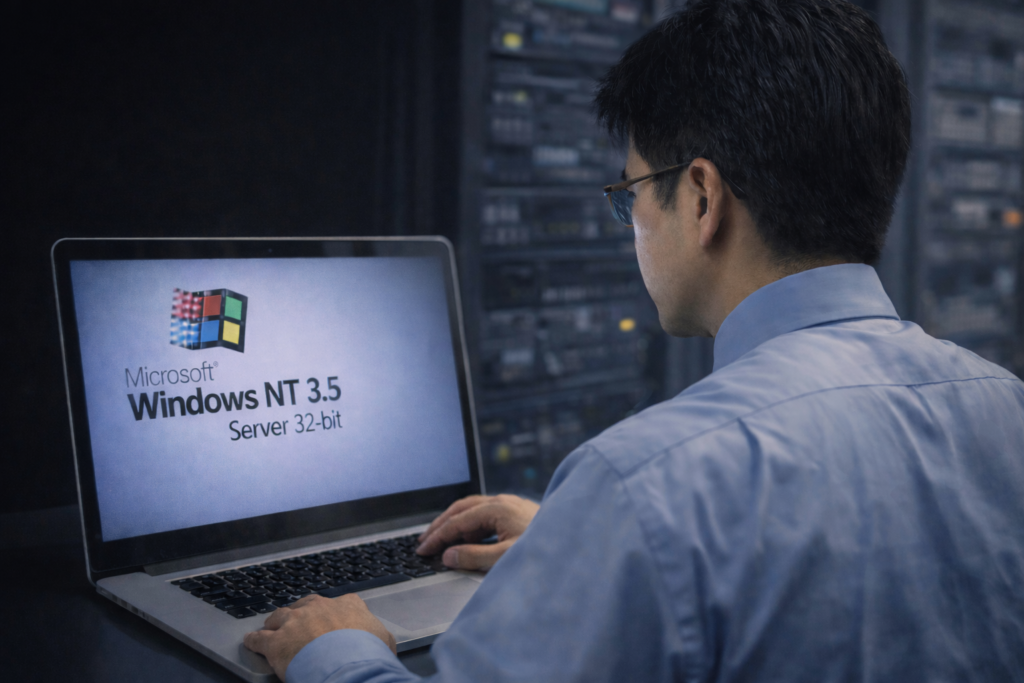
    Early infrastructure days at USC. Back then, the datacenter dress code was simple but strict: long-sleeve shirt and tie, even while working with DEC Alpha servers and Windows NT systems. This was where discipline in both technology and professionalism began.

    This was during the early infrastructure era of enterprise computing. Our environment included:

    • Windows NT 3.5 servers
    • DEC Alpha servers
    • Cisco ASA firewall
    • Cisco switches
    • Exchange Server 5.0
    • Windows desktop deployments

    We were operating in what was called a MAN — Multi-Area Network — connecting multiple locations across the region.

    This was infrastructure work in its pure form.


    School, Work, and Discipline

    My schedule during those years was intense.

    Work: 8 AM to 5 PM
    LACC classes: Monday, Wednesday, Friday, and Tuesday/Thursday evenings
    Devry classes: Saturday and Sunday all day

    There was almost no downtime.

    Because I maintained an average 4.4 GPA, I was eventually allowed to attend only midterms and finals for many IT courses, which opened something unexpected.

    Opportunity.


    Consulting Across the Country

    From 1996 to 1998, I began consulting with Korn Ferry International, traveling across the country to help roll out Windows 95 deployments.

    I was sent to:

    • Manhattan, New York
    • Washington, DC
    • Houston, Texas
    • Menlo Park, California
    • Twin Cities, Minnesota

    This was during a time when software piracy was rampant, and companies urgently needed IT professionals to modernize their systems.

    Demand for infrastructure skills was exploding.


    Career Momentum

    Opportunities started coming quickly.

    Southern California Edison made an offer.
    USC matched the pay.

    But in July 1999, GTE (now Verizon) made an offer that was too strong to refuse.

    By December 1999, I was working as a Network Engineer, responsible for infrastructure from Woodland Hills to Camarillo, California.

    That role didn’t last long — not because of failure, but because another opportunity appeared.

    An aerospace company in Carson, California offered me a six-figure salary to manage:

    • Exchange Server 5.5
    • multi-state infrastructure
    • enterprise messaging systems

    Their locations included:

    • Carson, CA
    • Lakewood, CA
    • Tucson, AZ
    • Peekskill, NY
    • Bothell, WA

    I was constantly traveling.

    Week 1 — California
    Week 2 — Arizona
    Week 3 — New York
    Week 4 — Washington

    I was living in the friendly sky.


    The Cost of Success

    During this time, my fourth child was born.

    And that’s when I realized something difficult.

    My career was growing fast — but I was missing time with my family.

    By 2001, I made a decision.

    I stepped away from that life and started my own IT business.

    Not because I didn’t love technology — but because I needed balance.


    What Infrastructure Really Means

    When people ask what the Infrastructure path in IT looks like, this period of my life is the answer.

    It means:

    • supporting systems that must never fail
    • traveling when things break
    • building networks that connect organizations
    • managing communication systems people depend on
    • being on call when nobody else can solve the problem

    Infrastructure is not glamorous — but it is essential.

    And it builds resilience.


    Looking Ahead

    In Part 3, I’ll share what happened after leaving corporate IT in 2001 — when I started my own IT business and discovered a different side of technology and service.

    © 2012–2026 Jet Mariano. All rights reserved.
    For usage terms, please see the Legal Disclaimer.

  • Understanding IT Career Paths — Part 1

    Early days of curiosity. Learning computers one screw at a time on an IBM PS/1. Hard disk 170MB, Memory 4MB, AutoExec.bat and Config.sys

    From Telecommunications to Modern IT

    When I first entered the IT world, technology was explained much more simply than it is today.

    Back then, we called it Management in Telecommunications. The field was divided into three areas:

    Voice
    Data
    Video

    That was it. No cloud titles, no DevOps, no cybersecurity specialization labels. Just three pillars that kept organizations connected.

    I remember sitting in a statistics class at Los Angeles College when my professor encouraged us to look toward the future of computing. He told us to pay attention to companies like Microsoft and suggested pursuing certifications like the Microsoft Certified Systems Engineer (MCSE). He even mentioned Bill Gates as someone shaping the future of technology.

    Around that same time, I kept hearing the phrase “information superhighway.” Former U.S. Vice President Al Gore is widely credited with coining and popularizing that term, describing a future where computers and networks would connect people and information across the world.

    At the time, it sounded ambitious — almost futuristic.

    Today, we simply call it the internet.

    Life during those years was not easy for me.

    I was attending Los Angeles College full-time during the week and Devry University full-time on weekends, while raising three small children — my son was four, my eldest was five, and my daughter was only two years old. I relied on scholarships, government grants, and student loans to survive those years.

    There were nights when exhaustion felt heavier than hope, but I kept moving forward.

    What little free time I had, I spent helping others.

    I volunteered in our community and helped small businesses by repairing computers, fixing networks, and troubleshooting systems for free. I didn’t do it for recognition or money. I did it because I believed that learning technology meant using it to serve people.

    Those experiences became my real classroom.

    That was when I began to understand something important about “Data.”

    Data eventually split into two different paths:

    Programming
    Infrastructure

    Both are part of IT, but they require different ways of thinking.

    Some people build software.
    Some people build and maintain the systems that run software.

    Both are necessary. Both are honorable careers.

    Over time, technology evolved — cloud computing, automation, cybersecurity, DevOps — but the foundation stayed the same.

    Looking back, those difficult years taught me more than technology. They taught me discipline, patience, and service. I didn’t realize it then, but those were the beginnings of what I now call portable virtues — things you carry with you no matter where life takes you.

    Today, when I mentor others entering IT, I often start with this simple idea:

    Before choosing a job title, understand which path fits you best.

    Programming or Infrastructure.

    In the next post, I’ll talk about the Infrastructure path — the side of IT that focuses on systems, networks, and reliability.

    © 2012–2026 Jet Mariano. All rights reserved.
    For usage terms, please see the Legal Disclaimer.

error: Content is protected !!